Dining Room Centerpiece Ideas That Actually Elevate Your Table
The dining room centerpiece is often the most frustrating design element in the entire house. Many homeowners spend thousands of dollars on a beautiful dining table and luxurious chairs, only to completely ruin the aesthetic by throwing a cheap, dusty fake floral arrangement into the center of the room. The centerpiece acts as the absolute focal point of the dining room; it is the very first thing your guests notice when they walk in, and it dictates the entire mood of the space. However, decorating the center of a dining table requires a delicate balancing act. If the arrangement is too tall, it completely blocks conversation across the table, turning your dinner party into an awkward game of peek-a-boo. If the arrangement is too small, it looks entirely accidental and completely unanchored on a massive wooden surface.
The secret to a stunning, designer-approved centerpiece is understanding proportion, visual weight, and the absolute necessity of negative space. You must evaluate every single object placed on the table based on how it interacts with the lighting fixture above it and the shape of the table below it. To help you navigate these tricky design decisions, the twenty-four ideas below are presented as direct comparisons between an outdated, cluttered styling approach and a modern, highly sophisticated alternative. By weighing the pros and cons of different centerpiece strategies, you can clearly see why one method usually creates a much more elevated, elegant aesthetic in a real-world dining room. Whether you are choosing between massive floral bouquets or minimalist sculptural bowls, these practical insights will help you build a stunning focal point.
A Single Sculptural Bowl vs. Cluttered Knick-Knacks
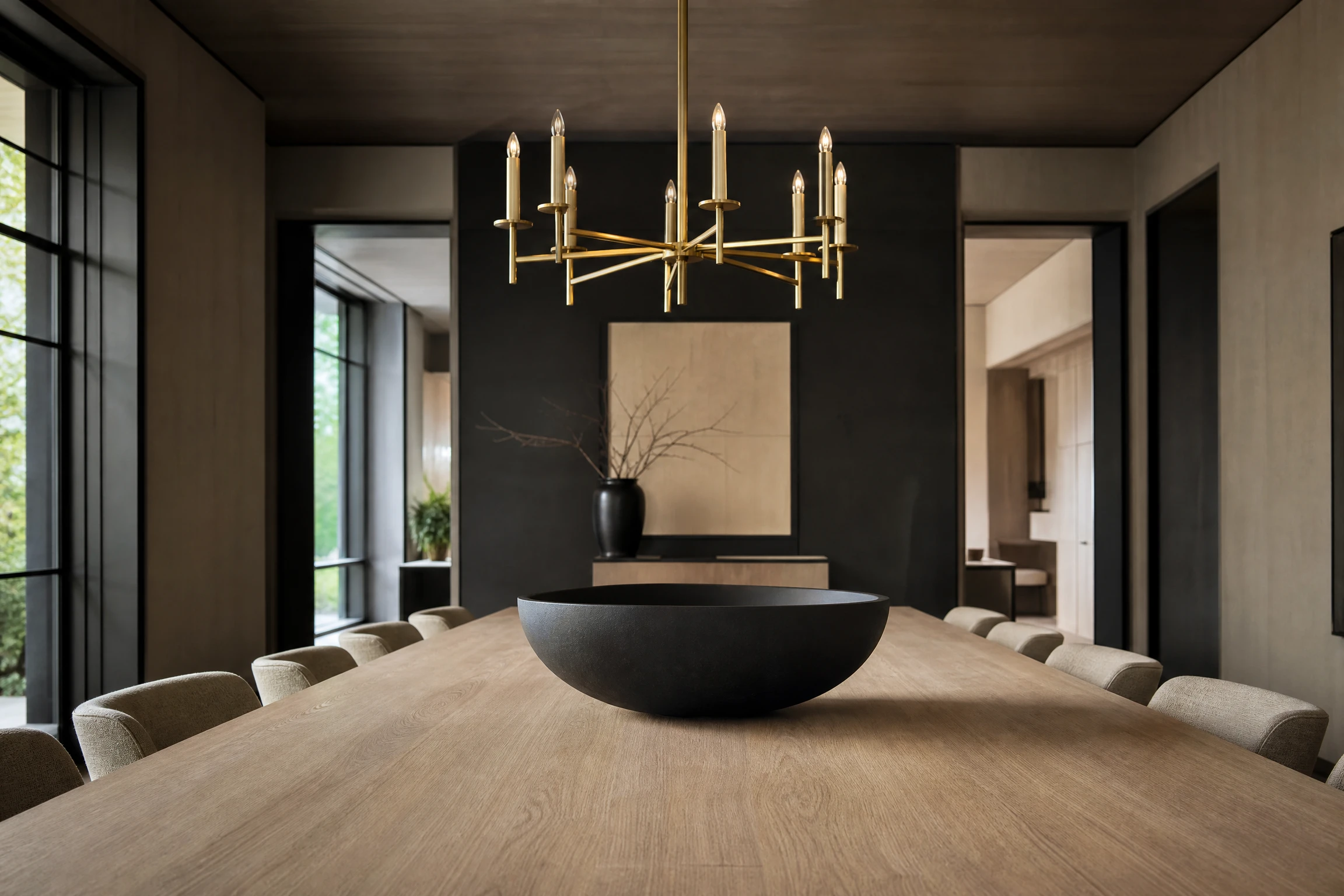
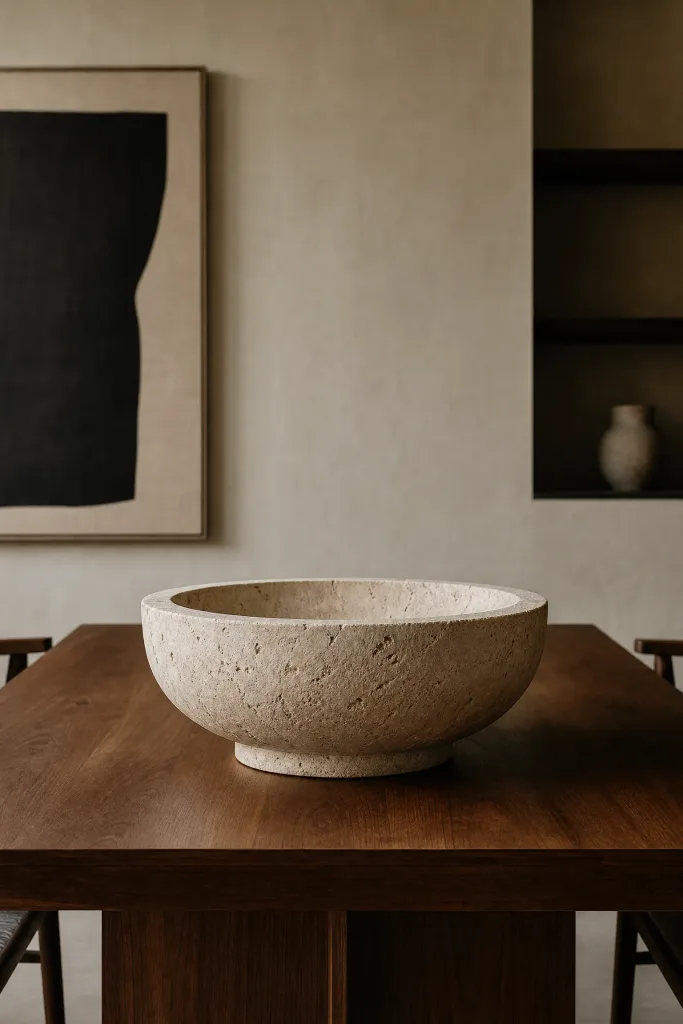
When styling a massive, beautiful wooden dining table, utilizing a single, oversized sculptural bowl is vastly superior to scattering a dozen tiny, unrelated knick-knacks across the surface. A chaotic collection of tiny candlesticks, small picture frames, and little ceramic birds creates massive visual clutter, completely distracting the eye from the beautiful wood grain of the table itself. A single, heavy travertine or matte black ceramic bowl provides a massive, intentional anchor that commands attention without creating a messy, disorganized aesthetic. You can leave the massive bowl completely empty to act strictly as a piece of modern art, or fill it with a single type of seasonal fruit. This highly restrained, minimalist approach screams quiet luxury and makes the entire room feel incredibly clean, tailored, and expertly curated.
Pro Move: Ensure the massive sculptural bowl is perfectly centered directly underneath your hanging dining room chandelier to maintain flawless architectural symmetry in the room.
Low Floral Arrangements vs. Towering Bouquets
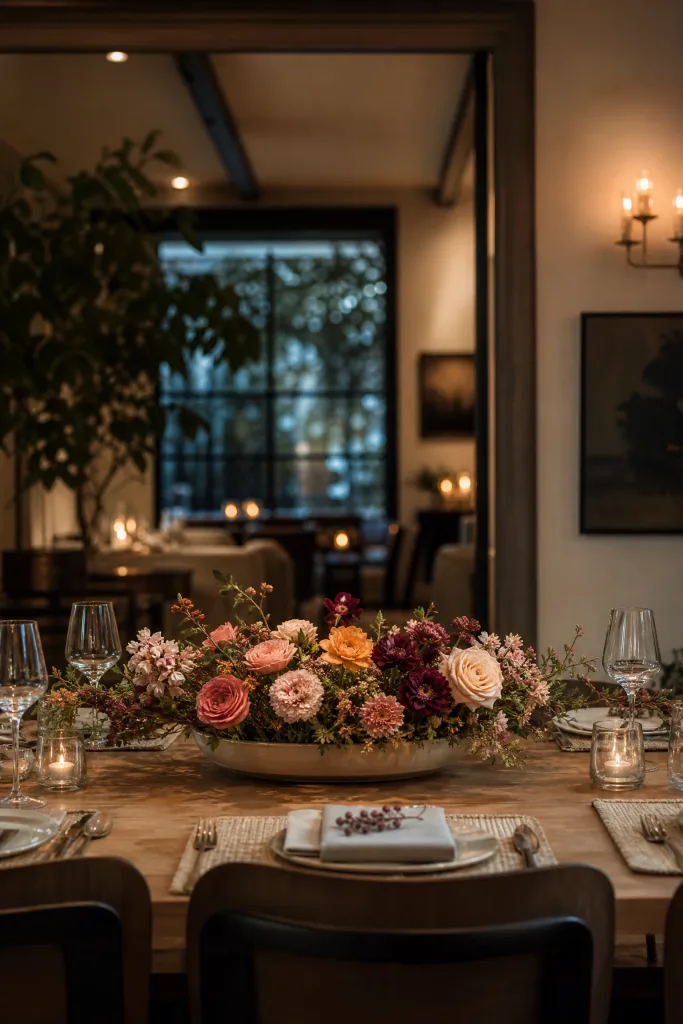
If you love having fresh flowers on the dining table, utilizing a wide, incredibly low floral arrangement is infinitely better than buying a massive, towering vertical bouquet. A towering vase of long-stemmed roses might look impressive from across the room, but the second your guests sit down, the massive bouquet acts as a solid brick wall, completely blocking eye contact and ruining the conversational flow of the dinner party. A low, sprawling arrangement placed in a shallow ceramic dish provides all the beautiful, organic color of fresh flowers while remaining completely below eye level. Your guests can easily see over the beautiful blooms, allowing for an intimate, highly social atmosphere that a towering vase completely destroys.
Designer Advice: Keep your floral centerpieces strictly under twelve inches tall from the tabletop to the highest flower petal to guarantee totally unobstructed sightlines across the table.
The Rule of Three vs. Even-Numbered Pairings
When grouping objects together in the center of the table, adhering strictly to the ‘Rule of Three’ is much more visually appealing than relying on perfectly even-numbered pairings. Placing exactly two identical vases next to each other often looks incredibly rigid, highly formal, and slightly boring, closely resembling a cheap hotel lobby rather than a customized home. Grouping three distinct items, perhaps a tall candlestick, a medium ceramic vase, and a small decorative brass object, creates a highly dynamic, asymmetrical triangle that forces the eye to constantly move around the arrangement. This odd-numbered grouping looks significantly more natural, relaxed, and intentionally collected over time, which is the absolute hallmark of high-end interior styling.
Reality Check: The three objects in your grouping must have drastically different heights and widths; grouping three items of the exact same size just looks like a cluttered barricade.
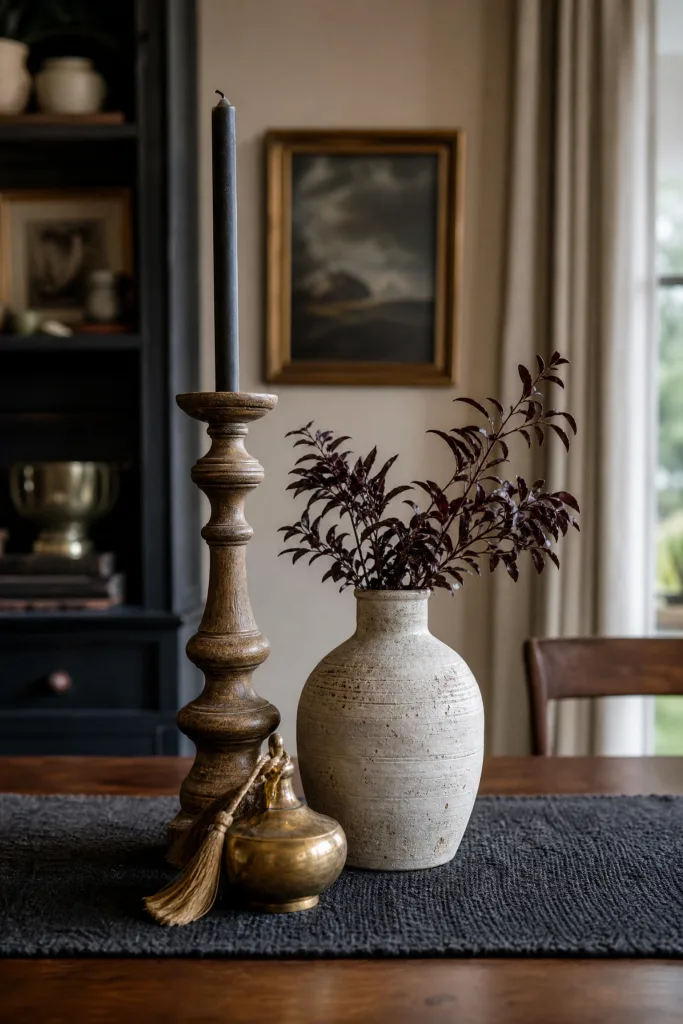
A Cohesive Tray Base vs. Floating Objects
If you are utilizing multiple items for your centerpiece, placing them all inside a cohesive, shallow tray is vastly superior to simply letting the objects float aimlessly directly on the bare table. When candles, vases, and salt shakers are placed directly on the wood, they often look completely disconnected, messy, and accidentally left behind after breakfast. Placing those exact same items inside a large, round brass or woven rattan tray instantly corrals the chaos, visually uniting the separate pieces into one single, highly organized focal point. This simple trick also makes cleaning the dining room incredibly easy, as you can simply lift the entire tray with one hand to wipe down the wooden table underneath.
Quick Tip: Ensure the tray heavily contrasts with the material of the dining table; never put a dark wooden tray on a dark wooden table, as it will completely disappear.
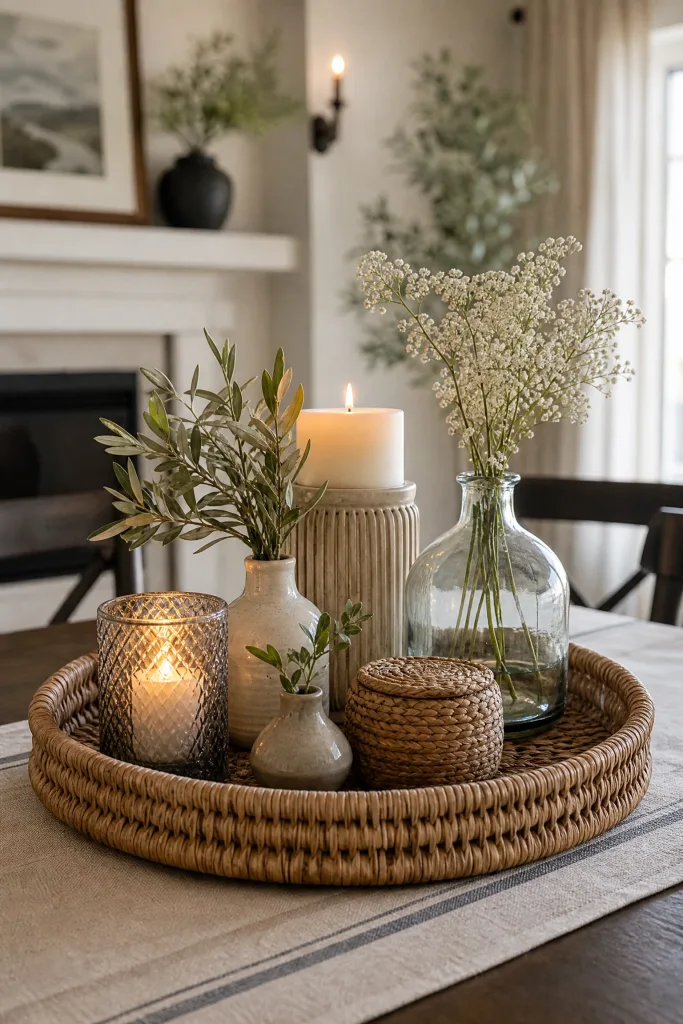
Monochromatic Fruit vs. Chaotic Mixed Bowls
For a casual, everyday centerpiece, filling a bowl with a single, monochromatic type of fruit is a much stronger design choice than utilizing a chaotic, mixed fruit bowl. A bowl filled randomly with red apples, yellow bananas, and orange clementines looks exactly like a functional kitchen grocery pile rather than an intentional dining room decoration. Filling a sleek wooden bowl exclusively with vibrant green Granny Smith apples or bright yellow lemons provides a massive, cohesive punch of solid color that feels highly architectural and meticulously planned. This highly restrained styling trick elevates standard grocery items into a stunning, modern art installation that brings vital, fresh energy into the dining room.
Heads Up: You must throw away the fruit the absolute second it starts to look bruised or wrinkly, as rotting fruit instantly ruins the high-end aesthetic of the entire room.
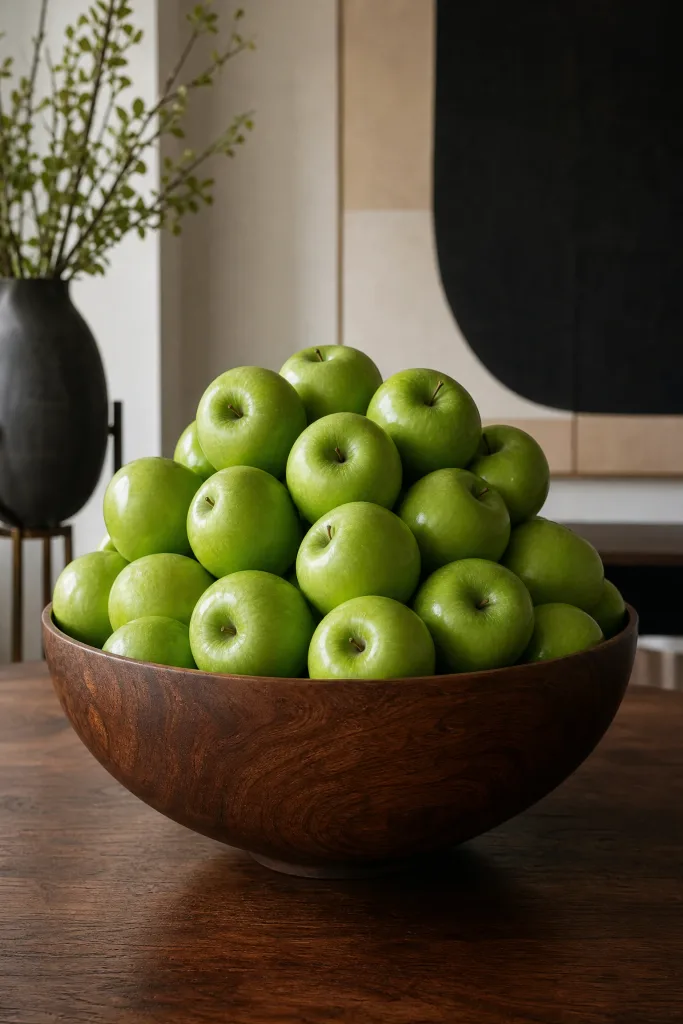
Taper Candles vs. Bulky Scented Jars
When adding candlelight to the dining table, utilizing tall, elegant taper candles is infinitely more sophisticated than placing a bulky, branded glass jar candle in the center of the room. A massive jar candle often features ugly branding labels and looks incredibly casual, completely out of place on a formal dining table. Tall, slender taper candles placed in heavy brass or matte black holders draw the eye upward, adding crucial vertical height and classic, romantic elegance to the centerpiece without blocking any sightlines. I highly recommend using unscented taper candles exclusively, as the artificial vanilla or lavender smell of a cheap jar candle will completely clash with the delicious aroma of your dinner.
Pro Move: Invest in highly specialized ‘dripless’ taper candles to ensure hot, melted wax does not run down the candlestick and permanently ruin your expensive dining room table.
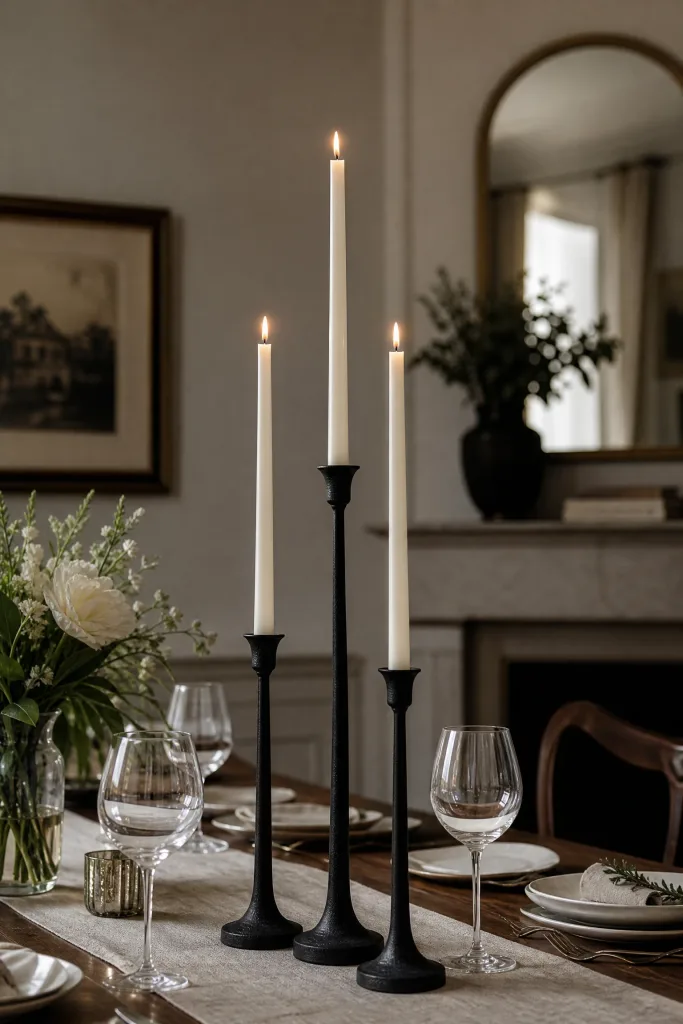
Live Potted Plants vs. Fake Silk Flowers
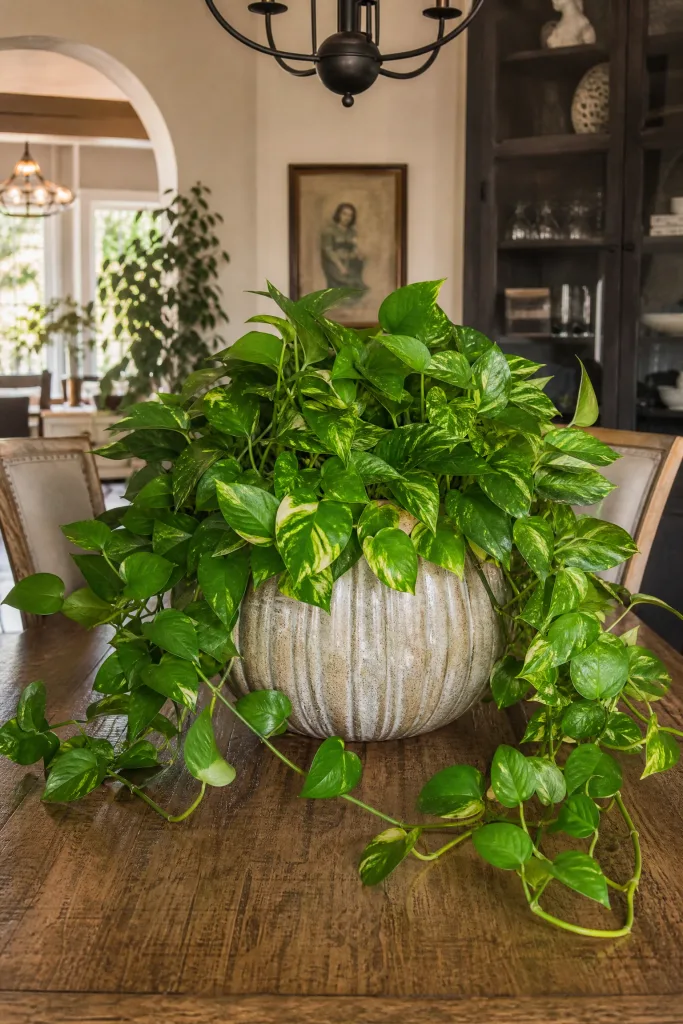
Bringing a lush, live potted plant to the center of the table is always a vastly superior choice compared to utilizing dusty, fake silk flower arrangements. Cheap silk flowers fade quickly in the sunlight, collect massive amounts of visible dust, and immediately make the dining room feel incredibly dated and cheap. A live, low-profile plant, such as a Maidenhair fern or a sprawling Pothos, introduces vibrant, authentic biophilic energy and constantly growing, shifting organic textures that fake plastic simply cannot replicate. You should place the ugly plastic nursery pot inside a beautiful, heavy ceramic planter to ensure the centerpiece looks permanent and highly customized.
Reality Check: Live plants drop dead leaves and require frequent watering; you must place a completely waterproof saucer inside the ceramic planter to protect the table from water ring damage.
A Continuous Runner vs. Bare Wood
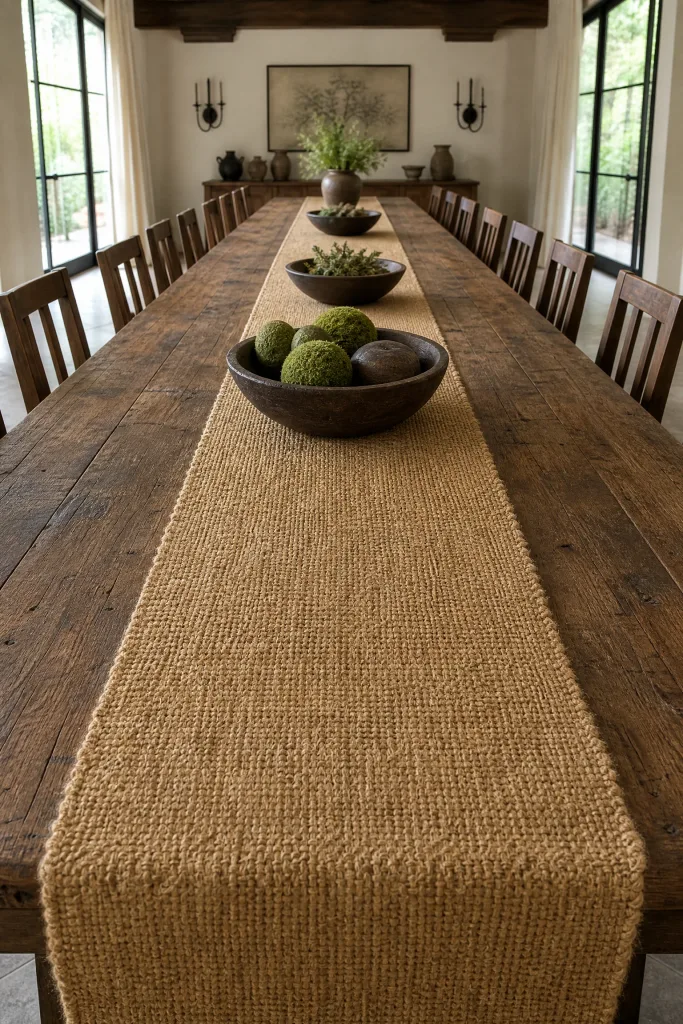
If you have a massive, extra-long rectangular dining table, laying down a continuous fabric table runner is a much better strategy than leaving the vast expanse of wood completely bare. On a ten-foot table, a single bowl placed perfectly in the middle looks incredibly tiny, isolated, and completely swallowed by the massive wooden surface. A heavy linen or textured jute table runner visually breaks up the massive table, creating a highly defined central ‘runway’ that perfectly anchors your centerpiece bowls and candlesticks. This soft, continuous fabric layer introduces crucial texture and significantly softens the harsh, rigid edges of the massive wooden furniture, making the entire room feel much warmer.
Designer Advice: The table runner must hang exactly six to twelve inches over the edge on both ends of the table; a runner that stops short of the edge looks completely ridiculous.
Single-Stem Branches vs. Busy Floral Mixes
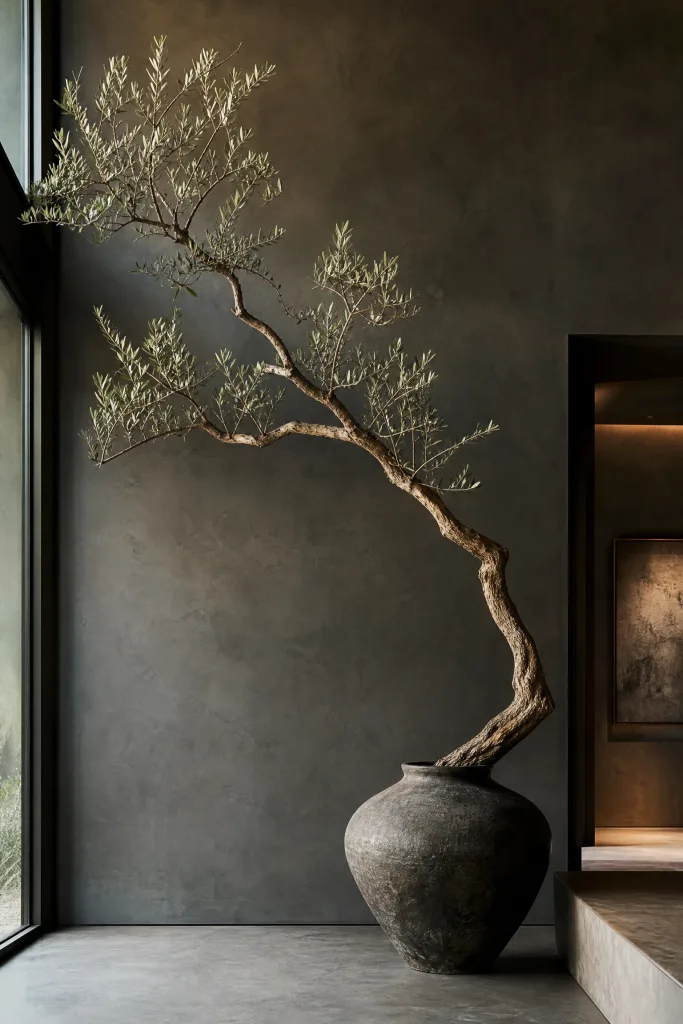
For a highly dramatic, contemporary centerpiece, utilizing a single, sprawling branch in a heavy vase is far more effective than buying a busy, tightly packed mixed floral bouquet. A mixed bouquet featuring dozens of different flower types and colors often looks visually overwhelming and distinctly traditional, resembling a grocery store arrangement. A single, massive olive branch, cherry blossom branch, or dried eucalyptus stem provides incredible, sweeping architectural movement and highly sophisticated, minimalist negative space. This stark, highly sculptural approach commands massive attention without requiring expensive weekly trips to the local florist, making it the ultimate low-maintenance modern centerpiece.
Quick Tip: You must use an incredibly heavy, wide-bottomed vase when displaying large asymmetrical branches to ensure the heavy wood does not violently tip the vase over during dinner.
A Centralized Circle vs. Scattered Lines
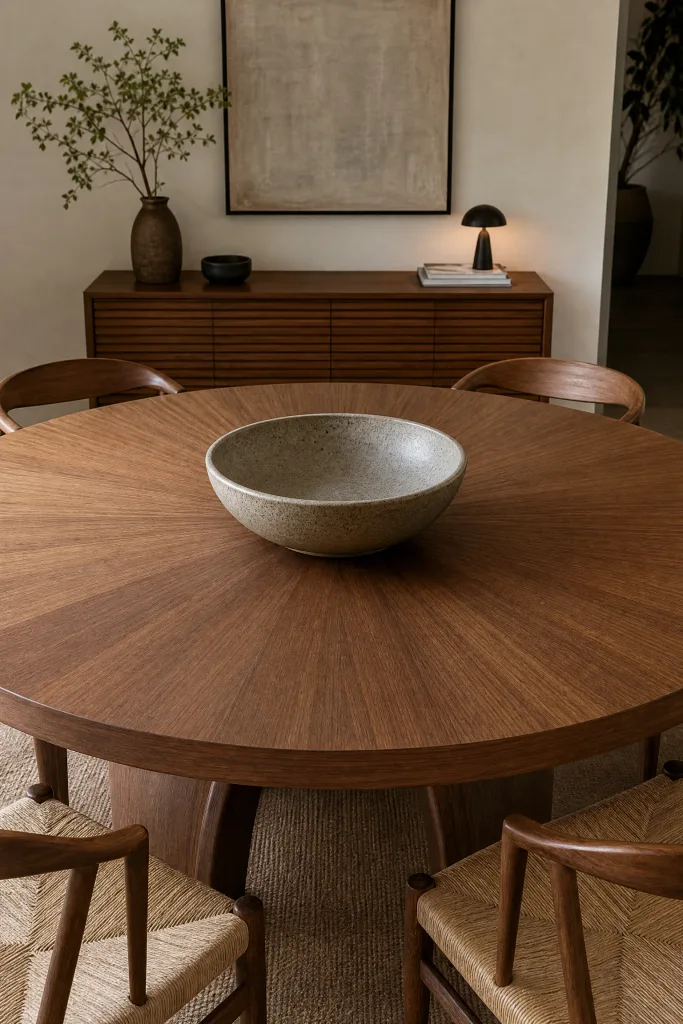
When styling a round dining table, utilizing a single, centralized circular centerpiece is a vastly superior choice to scattering multiple items in a long line across the surface. A linear arrangement of three vases works perfectly on a rectangular table, but placing a straight line of objects on a round table completely fights the natural, curved geometry of the furniture, making the layout feel highly awkward and unanchored. You must respect the shape of the table by placing a single, massive round bowl or a large circular tray perfectly in the absolute dead center of the wood. This cohesive, centralized focal point radiates equally outward toward every single guest sitting at the circular table.
Heads Up: The circular centerpiece must be proportionally large enough to anchor the table; a tiny four-inch bowl on a massive sixty-inch round table will look completely lost.
Clear Glass Vases vs. Opaque Ceramic Jugs
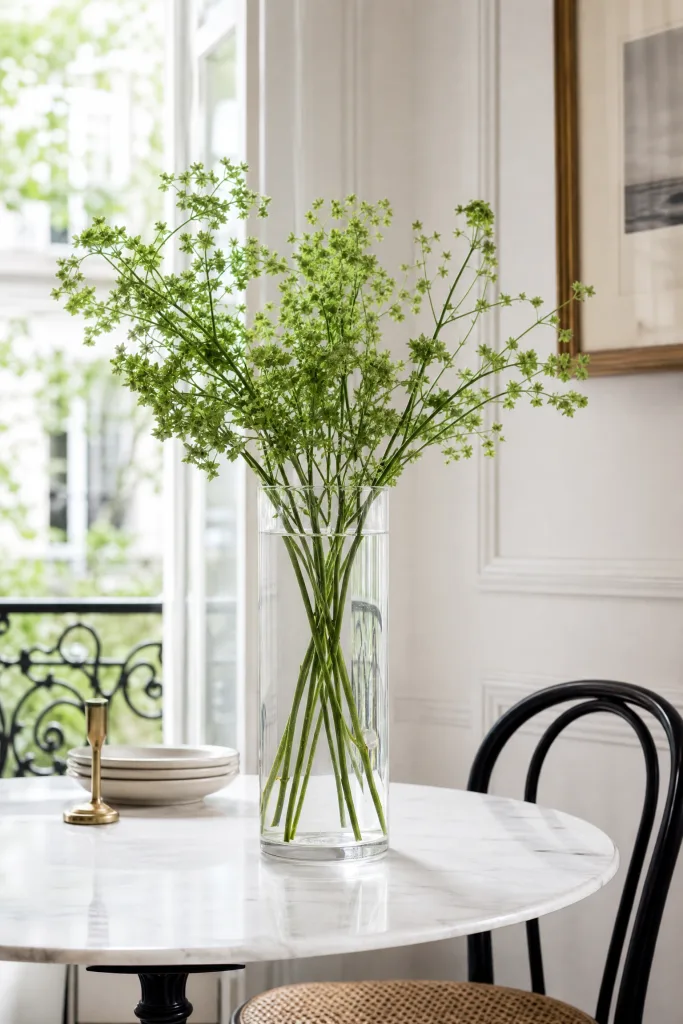
If you want to maintain an incredibly airy, open aesthetic in a small dining room, utilizing clear glass vases is much smarter than using heavy, opaque ceramic jugs for your centerpiece. A massive, solid ceramic jug completely blocks the light and acts as a heavy visual anchor, which can easily overwhelm a small, delicate dining table and make the room feel cramped. A clear glass cylinder vase holds your beautiful greenery perfectly while taking up literally zero visual weight, allowing the eye to travel directly through the water and the stems. This highly transparent, minimalist approach keeps the sightlines entirely completely open, making the dining area feel significantly wider and much more modern.
Pro Move: Add a single drop of bleach to the water inside your clear glass vase to completely prevent the water from turning murky, yellow, and disgusting after two days.
Textured Woven Baskets vs. Shiny Metal Bowls
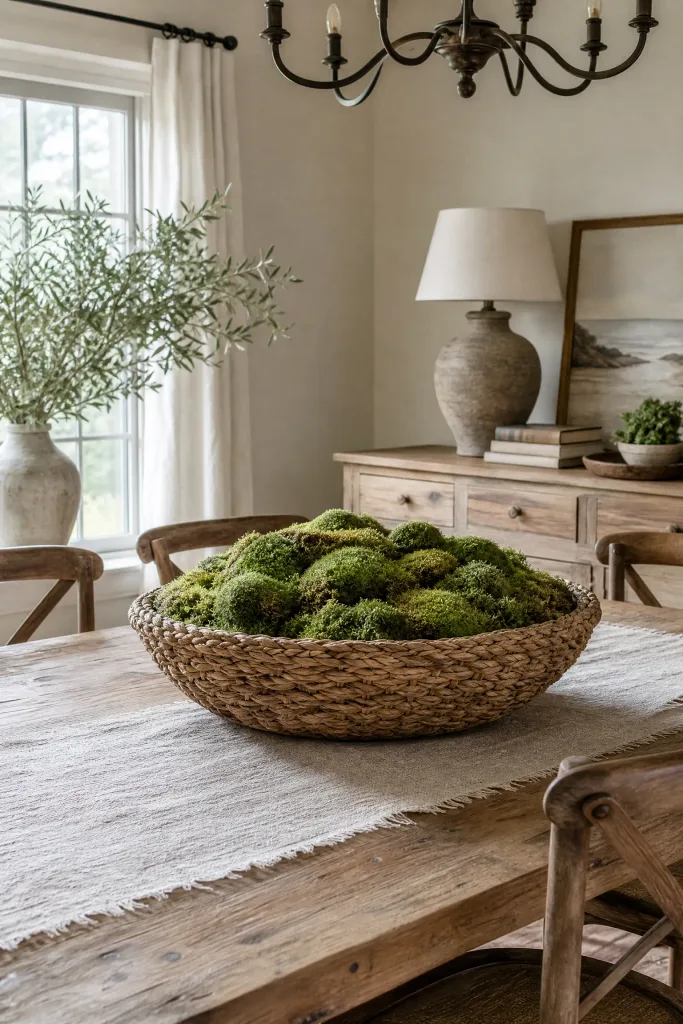
To create a highly relaxed, casual dining atmosphere, utilizing a heavily textured woven seagrass basket is a much better centerpiece choice than using a highly polished, shiny metal bowl. A shiny silver or chrome bowl looks incredibly formal, highly traditional, and aggressively reflects harsh ceiling lights, often feeling entirely out of place in a cozy, everyday family home. A shallow woven rattan or jute basket introduces a massive amount of earthy, coastal, organic texture that physically warms up the entire room and perfectly complements casual linen napkins. I love filling these heavily textured natural baskets with soft moss or a collection of dried artichokes for the ultimate relaxed, farmhouse aesthetic.
Reality Check: Woven baskets cannot hold any wet or damp items, as the natural fibers will instantly absorb the moisture, completely ruining the basket and growing dangerous mold.
Vintage Brass Candlesticks vs. Cheap Plastic Holders
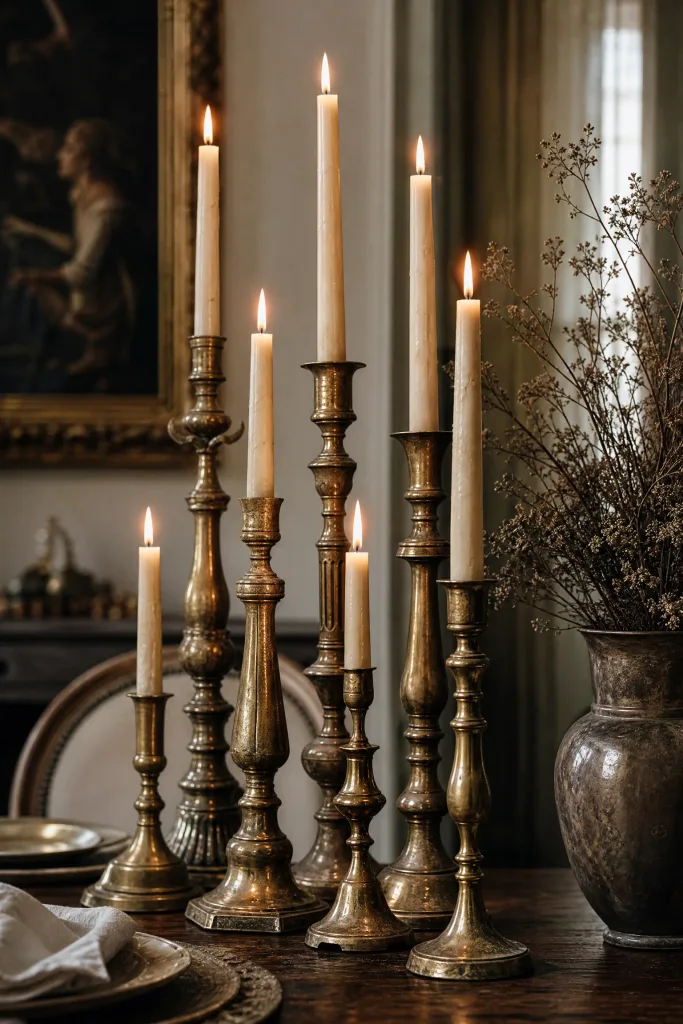
When arranging taper candles for a dinner party, investing in authentic, mismatched vintage brass candlesticks is infinitely better than utilizing cheap, identical plastic or painted resin holders. Cheap, matching holders look exactly like mass-produced party supplies, completely draining any sense of luxury or history from your beautiful dining room. A curated collection of varying heights of authentic, heavy brass candlesticks introduces incredible historical weight, warm glowing metallic texture, and a highly sophisticated, collected-over-time aesthetic. The authentic patina of aged brass heavily anchors the center of the table, making the entire dinner setup look incredibly expensive, intentional, and deeply romantic.
Designer Advice: Do not aggressively polish your vintage brass candlesticks before the dinner party; the dark, tarnished patina is exactly what gives them their beautiful, expensive historical character.
Edible Centerpieces vs. Purely Decorative Objects
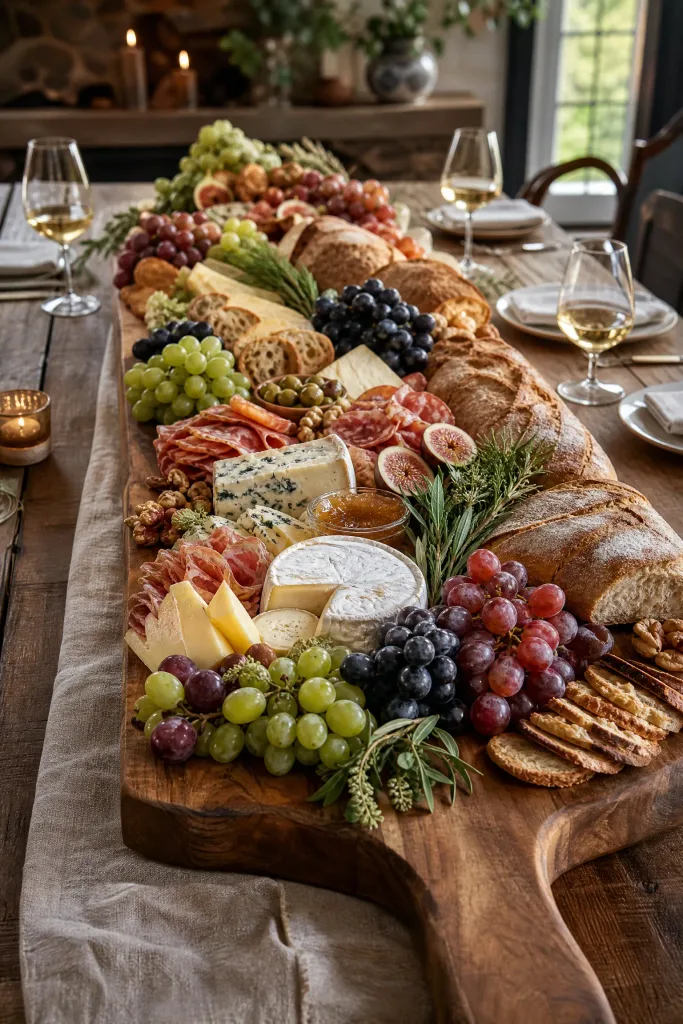
For a highly interactive, unforgettable dinner party, creating a massive, edible centerpiece is vastly superior to relying entirely on purely decorative, untouchable objects. Guests often completely ignore a standard vase of flowers, but a stunning, highly curated charcuterie board running down the absolute center of the table instantly becomes a massive, engaging conversation starter. By utilizing a long, beautiful walnut cutting board overflowing with colorful grapes, artisan cheeses, and rustic breads, you completely blur the line between beautiful decor and functional dining. This incredibly welcoming, communal approach encourages guests to immediately start interacting, reaching across the table, and completely dropping their formal, stiff dinner party manners.
Quick Tip: Elevate the massive wooden cutting board slightly off the table using small wooden feet, making it much easier for guests to reach the food without knocking over wine glasses.
Dried Wheat Bundles vs. Bright Artificial Autumn Leaves
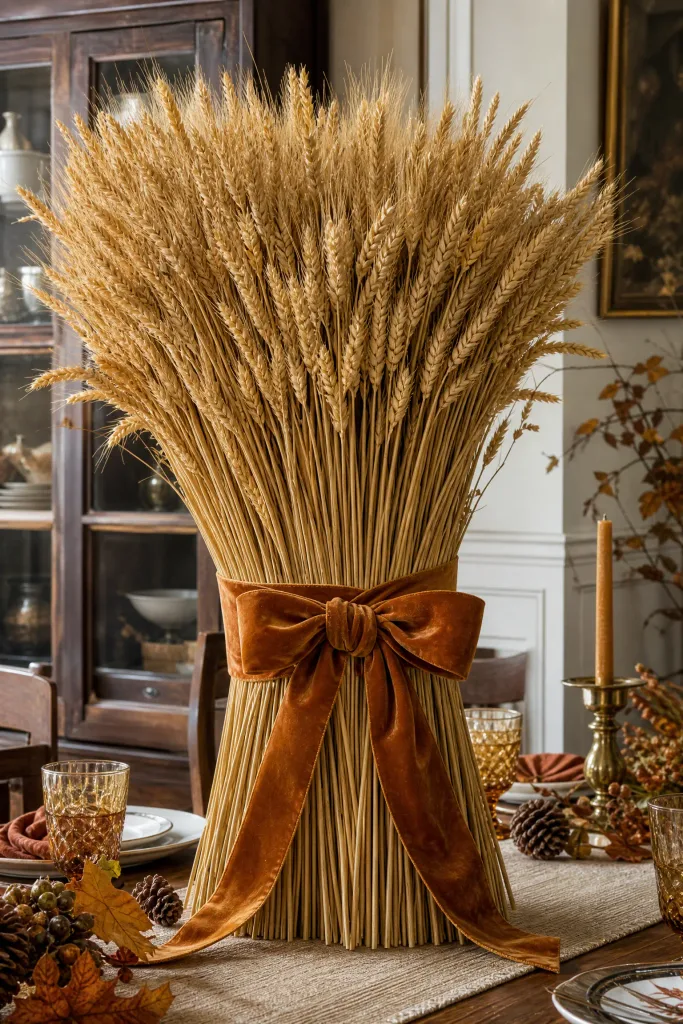
When styling your dining room for the fall season, utilizing a massive, tight bundle of dried natural wheat is a much more sophisticated choice than scattering bright, fake plastic autumn leaves across the table. Fake orange and red plastic leaves always look incredibly cheap, distinctly artificial, and strongly resemble a kindergarten classroom decoration rather than high-end interior design. A tight, vertical bundle of authentic dried wheat provides massive amounts of beautiful, earthy texture and a highly subtle, neutral golden color that perfectly hints at the autumn harvest without screaming it. This heavily restrained, highly natural approach provides deeply authentic seasonal charm that perfectly matches a mature, elegant dining room.
Heads Up: Dried wheat bundles are incredibly fragile and drop tiny, messy seeds constantly; you must tie the bundle incredibly tightly with a thick velvet ribbon to contain the mess.
Low Clustered Tea Lights vs. Blinding Pillar Candles
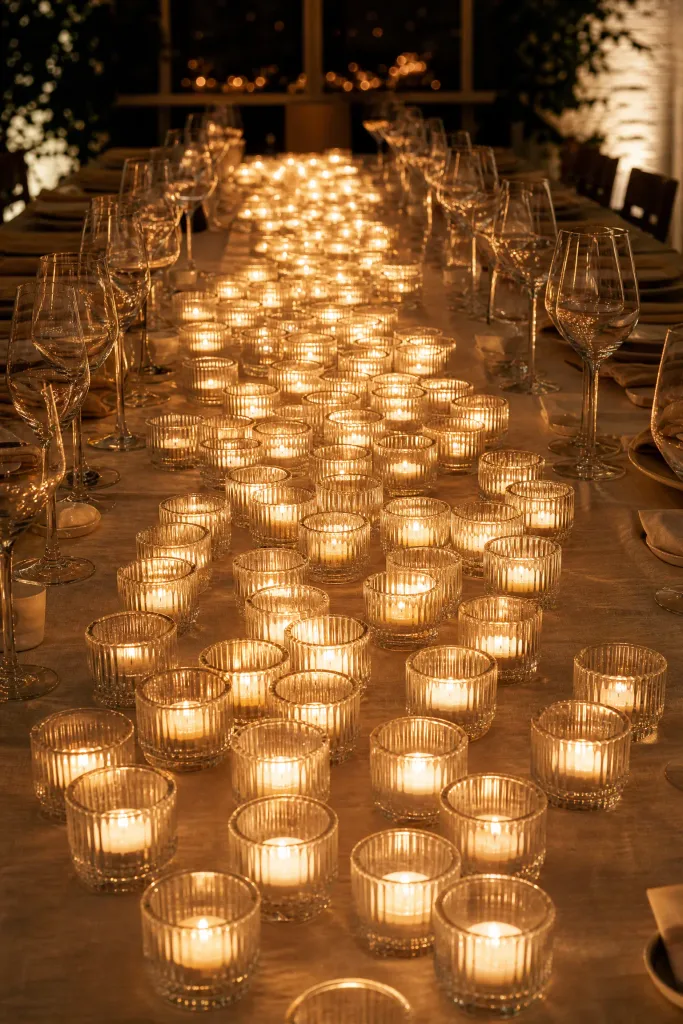
If you want to create a deeply moody, intimate atmosphere, utilizing dozens of low, clustered tea lights is a vastly superior strategy to burning massive, blinding pillar candles. A massive, thick pillar candle produces a huge, aggressive flame that can easily blind your guests or completely wash out the subtle, romantic lighting of the room. Scattering twenty tiny tea lights in simple glass votives completely down the center of the table creates a stunning, highly diffuse, twinkling glow that perfectly illuminates the faces of your guests without ever overpowering the room. This scattered, low-level lighting technique mimics the starry sky, making the dinner party feel incredibly magical and deeply luxurious.
Pro Move: Use clear glass or ribbed glass votives for the tea lights to maximize the sparkling reflections on the table, totally avoiding opaque ceramic holders that block the beautiful flame.
Asymmetrical Placement vs. Rigid Center Alignment
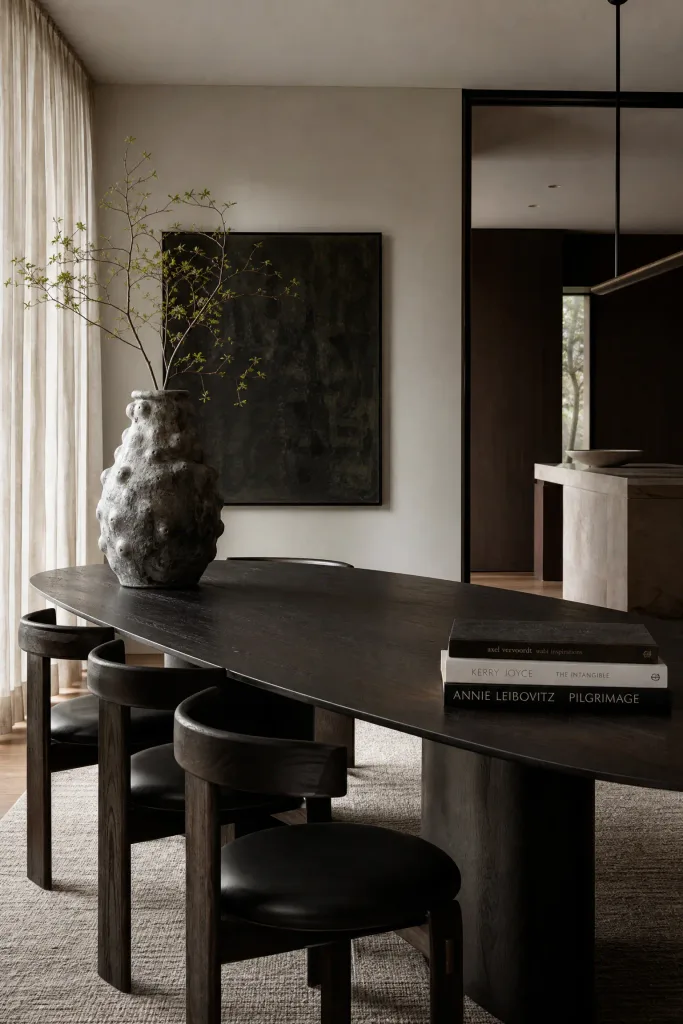
When decorating a highly modern, avant-garde dining room, utilizing an asymmetrical centerpiece placement is far more interesting than demanding a rigidly centered, perfectly aligned bowl. Perfectly centering a bowl under the chandelier is the classic, safe approach, but intentionally sliding a heavy, sculptural vase completely off-center toward one end of the table introduces massive visual tension and playful energy. You must visually balance this bold, asymmetrical move by placing a smaller, contrasting object, like a low stack of beautiful hardcover books, on the opposite end of the table. This rebellious, off-center layout forces the eye to explore the entire length of the table, making the room feel incredibly dynamic.
Reality Check: Off-center styling requires massive amounts of negative space to work properly; if the table is already cluttered with placemats and glasses, the asymmetrical vase will just look accidental.
Functional Water Pitchers vs. Empty Decorative Jugs
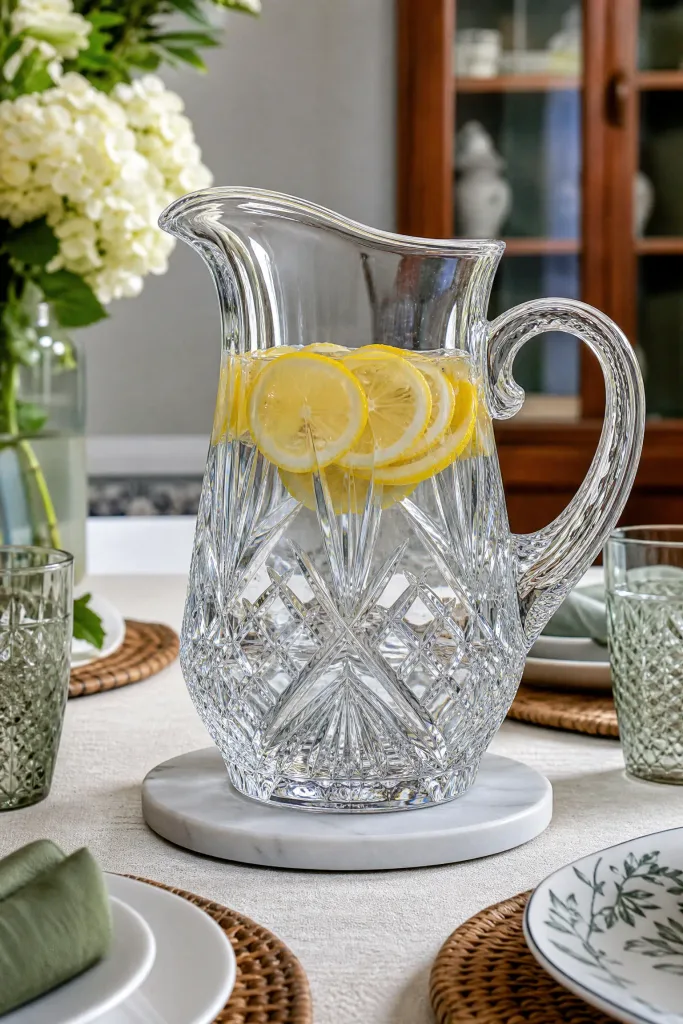
For everyday, casual dining, utilizing a beautiful, highly functional glass water pitcher as your centerpiece is much smarter than leaving an empty, purely decorative jug on the table. An empty ceramic jug serves absolutely no daily purpose, simply collecting dust and taking up precious space during chaotic family meals. Placing a stunning, heavy crystal or hand-blown glass pitcher filled with fresh water and sliced lemons directly in the center of the table provides a beautiful, sparkling focal point that is actually incredibly useful. This practical approach ensures your family stays hydrated while keeping the table looking beautifully styled and constantly ready for a meal.
Designer Advice: Always place the condensation-heavy glass water pitcher on top of a beautiful marble or brass coaster to completely prevent damaging water rings on your wooden table.
Layered Books and Objects vs. A Single Small Item
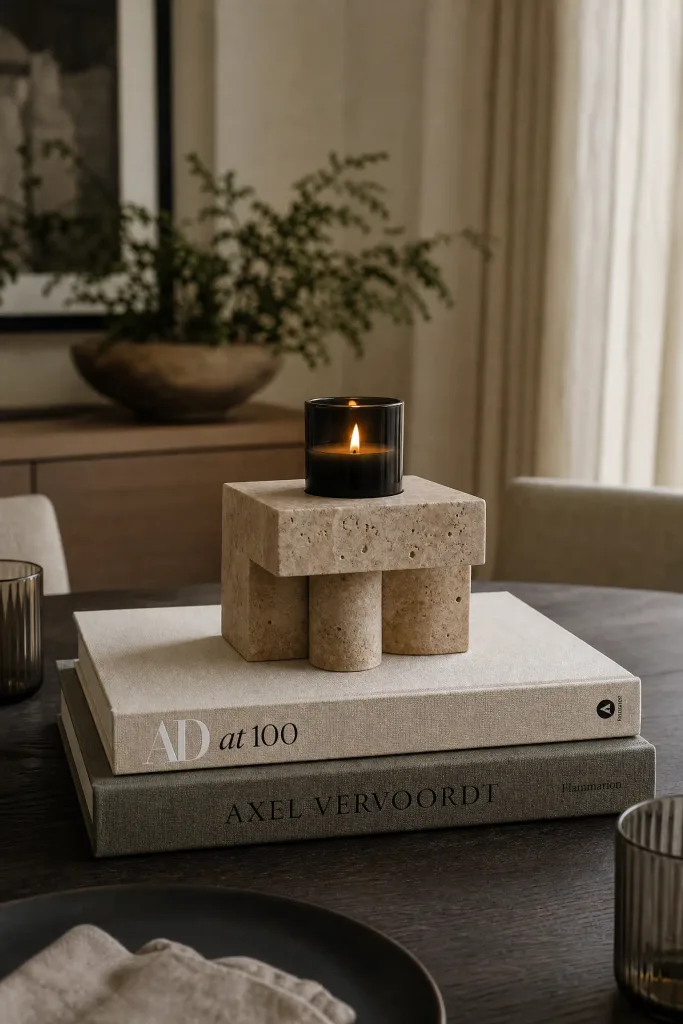
If you have a very small dining table, creating a layered centerpiece using hardcover books is a vastly superior design choice compared to placing a single, tiny object in the middle of the wood. A single small candle sitting directly on the table looks completely lost, incredibly sad, and entirely unanchored. By stacking two beautiful, oversized hardcover design books and placing that exact same small candle on top, you instantly create a highly intentional, elevated pedestal that commands attention. The books introduce crucial, geometric architectural structure and beautiful colorful spines, completely transforming a tiny, insignificant object into a stunning, highly curated focal point.
Quick Tip: Always remove the glossy, cheap-looking paper dust jackets from the hardcover books to expose the beautiful, highly textured linen or matte cardboard covers hidden underneath.
Dark Moody Florals vs. Bright Pastel Bouquets
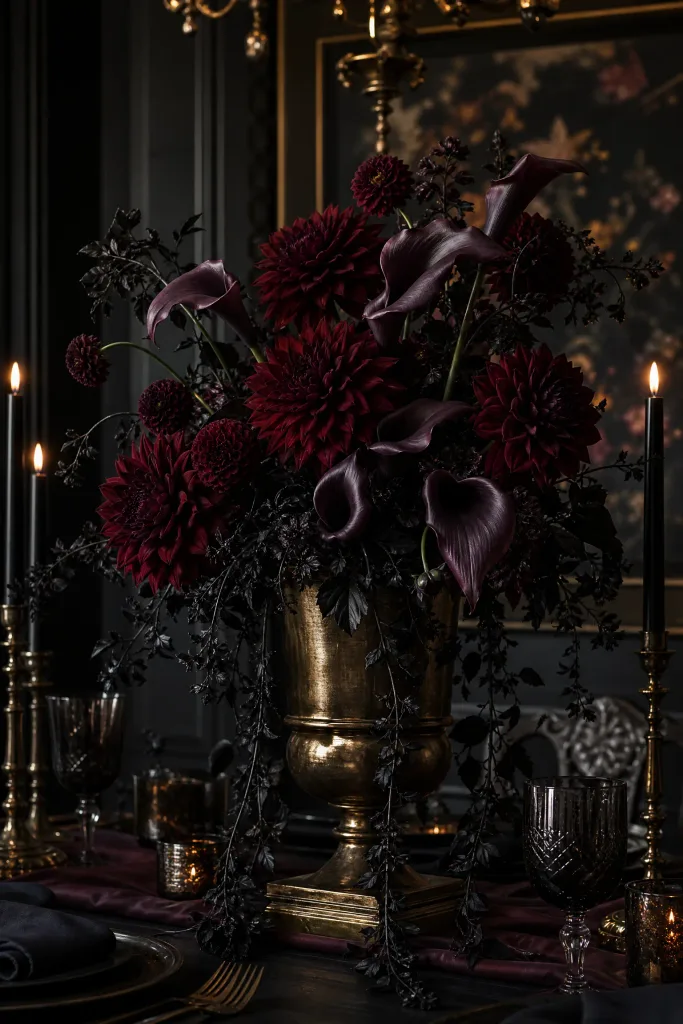
When styling a highly dramatic, romantic dining room, utilizing dark, moody floral arrangements is infinitely more sophisticated than buying a bright, cheerful pastel bouquet. Bright pink and yellow pastel flowers often feel incredibly casual, spring-like, and highly reminiscent of a daytime baby shower, which completely clashes with a dark, moody dining room aesthetic. Filling a dark brass vase with deep burgundy dahlias, dark purple calla lilies, and black trailing vines creates an incredibly intense, gothic-inspired centerpiece that perfectly matches the luxurious, late-night vibe of the room. This deeply saturated, highly dramatic floral approach feels incredibly expensive, mature, and perfectly suited for an upscale dinner party.
Heads Up: Dark floral arrangements absorb massive amounts of light; you must place them directly under a bright chandelier, otherwise, they will completely disappear into the dark room.
A Collection of Ceramic Vases vs. One Massive Urn
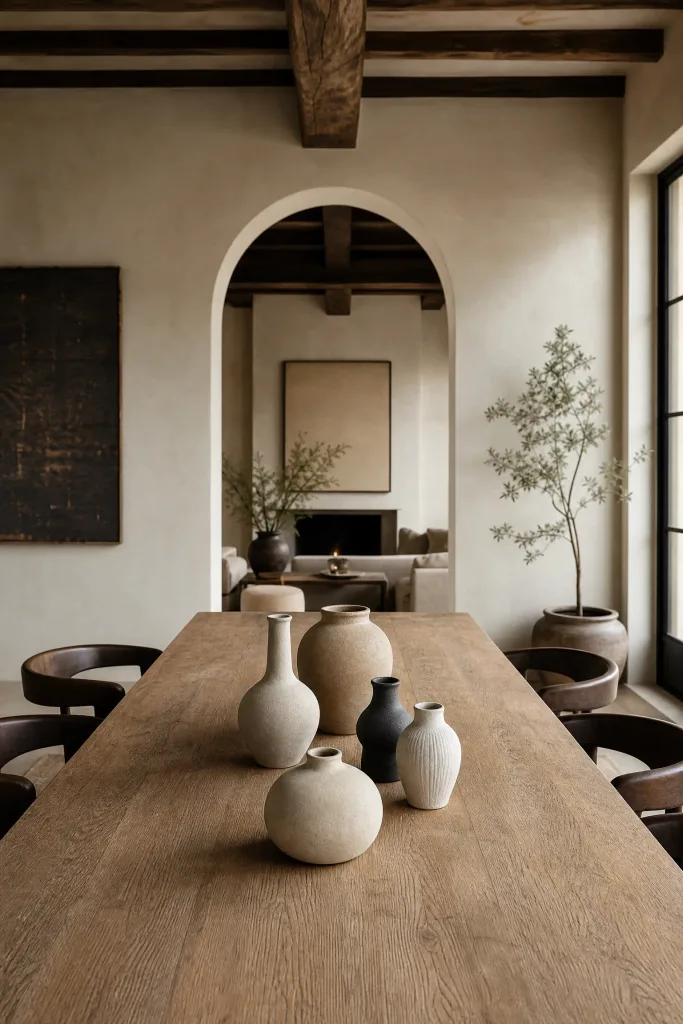
For a long rectangular table, grouping a curated collection of small ceramic vases is a much better strategy than placing one massive, gigantic urn in the dead center. A single massive urn often completely dominates the room, looking incredibly heavy, highly traditional, and visually blocking the person sitting directly across from it. A collection of five to seven small, mismatched ceramic vases in varying neutral tones, clustered organically down the center of the table, provides incredible, sprawling architectural interest without blocking any sightlines. You can leave the beautiful handmade vases entirely empty to act as minimalist sculptures, or place a single dry stem in just one or two of them.
Pro Move: Ensure every single vase in the sprawling collection shares the exact same matte, unglazed texture to unify the vastly different shapes into one cohesive design.
Seasonal Fresh Greenery vs. Dusty Faux Garlands
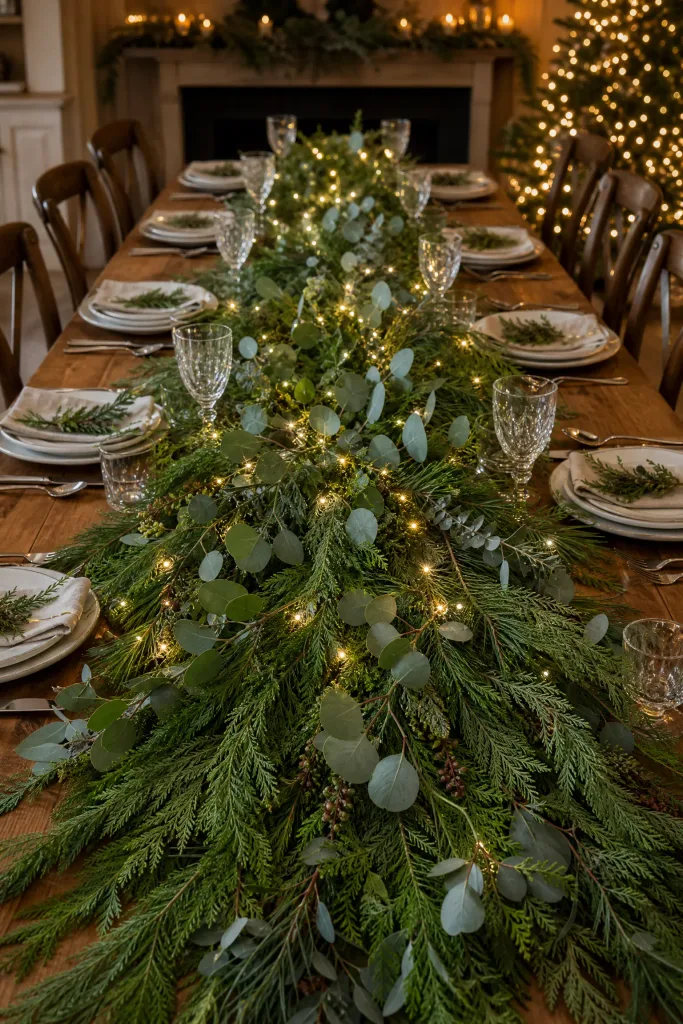
When decorating a long table for the holidays, laying down fresh seasonal greenery is always vastly superior to utilizing a dusty, plastic faux garland. A fake plastic garland looks incredibly cheap, lacks any authentic texture, and completely fails to provide the incredible, nostalgic pine scent that defines the winter season. Laying authentic, freshly cut cedar, pine, or eucalyptus branches directly down the center of the table introduces massive amounts of vibrant, organic life and an incredible, room-filling aroma. You can easily weave small, battery-operated fairy lights directly into the fresh branches to create a stunning, highly magical winter wonderland centerpiece that your guests will absolutely love.
Reality Check: Fresh greenery dries out incredibly quickly in a heated home; you must heavily mist the branches with water every single day to prevent them from turning entirely brown and crispy.
Low Minimalist Candle Blocks vs. Intricate Candelabras
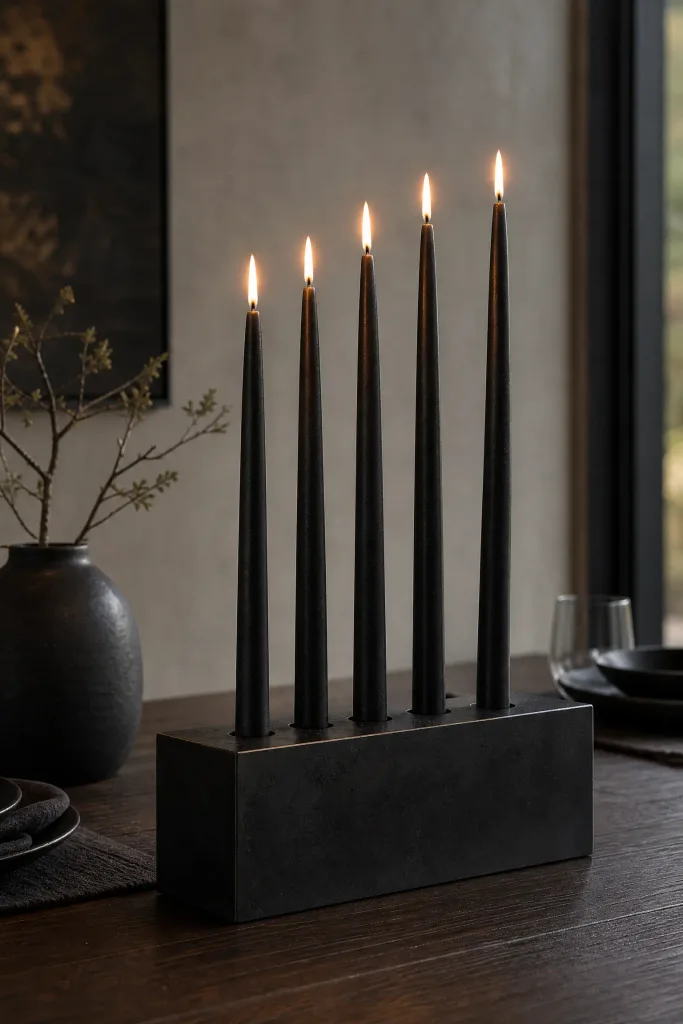
If you are designing a highly contemporary dining room, utilizing low, minimalist solid wood candle blocks is much smarter than placing a massive, highly intricate silver candelabra on the table. A tall, ornate silver candelabra looks deeply historic and heavily traditional, completely clashing with sleek, modern dining chairs and minimalist architecture. A heavy, solid rectangular block of light oak or matte black metal, featuring simple drilled holes for taper candles, provides incredible, stark geometric structure that perfectly matches the modern aesthetic. This highly restrained, architectural approach provides beautiful, dramatic candlelight without introducing any unnecessary, fussy ornamentation to the clean, streamlined table.
Designer Advice: Use completely black taper candles in a black metal block to create a stunning, highly dramatic monolithic structure that looks like a piece of modern art.
The Negative Space Strategy vs. Over-Styling Every Inch
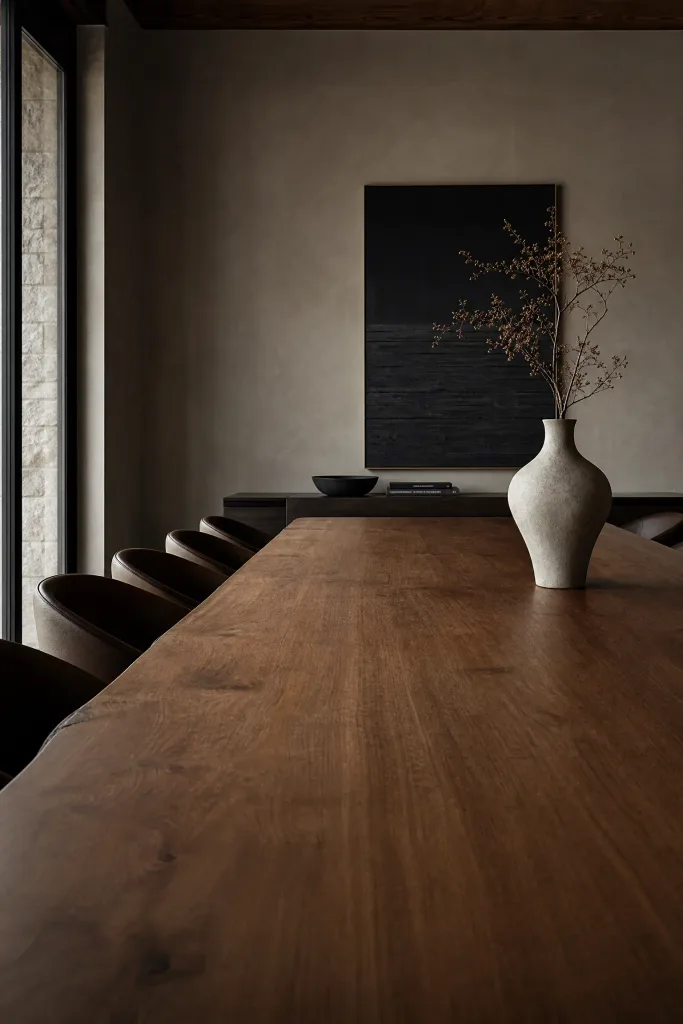
The absolute most sophisticated dining room centerpiece strategy is intentionally utilizing massive amounts of negative space rather than desperately trying to over-style every single inch of the table. Many homeowners panic when they see bare wood and attempt to fill the entire table with runners, massive bowls, dozen candles, and scattered greenery, creating an incredibly chaotic, anxiety-inducing mess. Placing one perfect, highly sculptural vase on the table and intentionally leaving the remaining sixty inches of wood completely bare requires massive design confidence and heavily highlights the expensive quality of the furniture itself. This highly restrained, minimalist approach proves that you understand exactly when to stop decorating, resulting in a deeply calm, elegant room.
Quick Tip: Negative space only works if the table is completely spotless; you must aggressively dust and polish the bare wood, as the empty space will loudly highlight every single fingerprint.
Conclusion
A stunning dining room centerpiece should never be a random afterthought or a dumping ground for unrelated knick-knacks; it must be a highly intentional, carefully scaled focal point that perfectly anchors your room. As these twenty-four comparisons demonstrate, the most successful centerpieces rely heavily on extreme restraint, the strategic grouping of odd numbers, and the total elimination of towering visual barricades. Whether you are placing a single, massive travertine bowl on a minimalist modern table or scattering tiny tea lights down a long linen runner, you must prioritize keeping the sightlines completely open to encourage highly social, intimate dinner conversations. By completely abandoning fake silk flowers and cheap jar candles in favor of authentic, tactile materials like vintage brass, fresh greenery, and heavy ceramics, you can easily transform your bare dining table into a stunning, expertly curated masterpiece.
Frequently Asked Questions
How tall should a dining room centerpiece be?
A dining room centerpiece should strictly never exceed twelve inches in total height from the tabletop. If your floral arrangement or candles are any taller than twelve inches, they will completely block eye contact across the table, completely ruining the social flow of your dinner party.
Should the centerpiece stay on the table when eating?
Yes, a properly designed, low-profile centerpiece should remain on the table during the entire meal to provide continuous atmosphere and beautiful candlelight. If you have to physically remove your centerpiece just to serve the food or see your guests, the centerpiece is fundamentally designed incorrectly.
Can I leave my dining table completely empty?
While you can leave a table empty, placing a single, highly sculptural bowl or vase in the center is always recommended. An entirely empty, massive wooden table often looks completely unanchored, slightly abandoned, and entirely unfinished, making the whole dining room feel a bit cold and uninviting.
What is the best centerpiece for a round dining table?
A round dining table absolutely requires a single, centralized circular centerpiece to perfectly match the geometry of the furniture. A massive, round ceramic bowl or a perfectly circular tray filled with three varying candles works beautifully. Never place a straight, linear arrangement on a round table.
How do you style a really long rectangular dining table?
A long rectangular table looks best when anchored by a continuous fabric table runner that defines the center zone. Instead of one massive item in the middle, create a sprawling arrangement by grouping a collection of mismatched ceramic vases or scattering low tea lights down the entire length.
Are fake flowers okay for a dining room centerpiece?
High-end interior designers strongly advise against using fake silk flowers. They inevitably collect visible dust, fade quickly in sunlight, and generally make the room look incredibly dated and cheap. You should always opt for a live potted plant, fresh seasonal branches, or simply a beautiful, empty sculptural bowl instead.