Brilliant Beige and Wood Living Room Ideas for a Grounded Home
Combining beige tones with natural wood is undeniably one of the most timeless, universally appealing design strategies in the interior design world. However, executing this seemingly simple palette correctly requires far more thought than just buying a generic tan sofa and throwing it next to a pine coffee table. When not balanced properly, a beige and wood room can quickly look incredibly flat, highly sterile, or painfully boring. The magic of this aesthetic relies entirely on layering massively contrasting textures and choosing wood stains that actively pull the warm undertones out of your neutral fabrics. I have noticed that the most successful, high-end living rooms in this style embrace a mix of rough, organic elements and incredibly smooth, tailored upholstery to keep the eye constantly moving around the space.
The secret to a stunning beige and wood sanctuary is understanding that ‘beige’ is not just one flat color, and ‘wood’ is not just a single building material. You must view beige as a spectrum ranging from cool oatmeal to warm camel, and you must treat wood as a vital texture that provides essential architectural structure. The twenty-four ideas below lean heavily into practical, actionable tips to help you execute this specific combination flawlessly. Whether you want to introduce striking dark walnut paneling or you prefer the light, airy feeling of bleached oak and cream linen, these detailed strategies will guide you. By focusing intently on the practical applications and specific styling hooks found in the callouts below, you can absolutely build a living room that feels incredibly cozy, perfectly grounded, and undeniably chic.
Light Oak and Oatmeal Linen
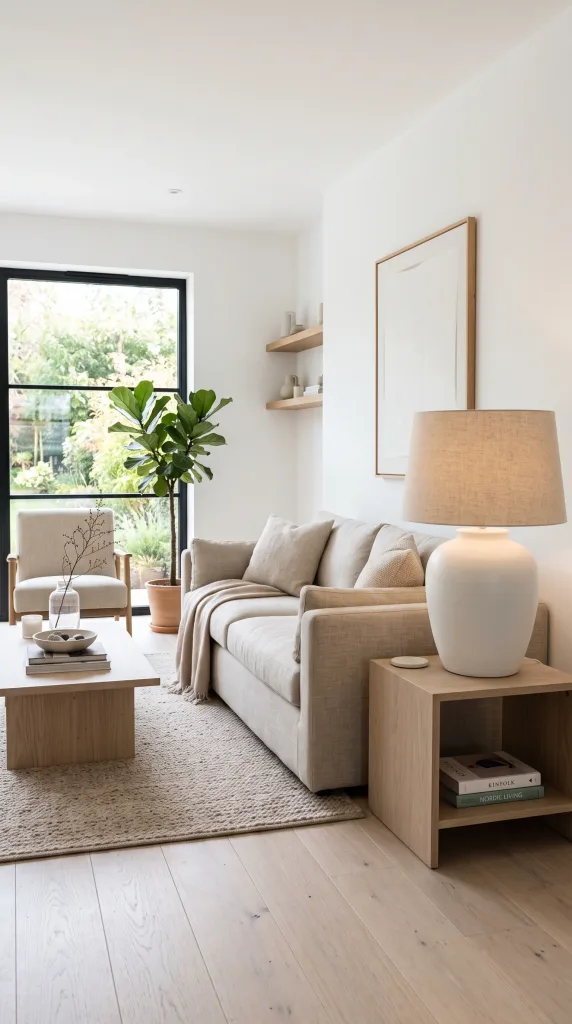
Pairing light, bleached oak wood finishes with heavy oatmeal linen upholstery creates the ultimate airy, Scandinavian-inspired sanctuary. The cool, desaturated tones of the light oak prevent the room from feeling heavy or dark, while the thick, highly tactile linen provides necessary physical warmth and visual depth to the seating area. You should keep the walls painted a crisp, stark white to ensure the subtle beige and light wood tones remain the absolute focal points rather than getting lost in a muddy background. I find that incorporating plenty of negative space around the furniture allows the clean, minimalist lines of the oak frames to truly breathe and stand out. Adding a massive, perfectly smooth white ceramic table lamp completes the highly serene, minimalist aesthetic.
Designer Advice: Always ensure the undertone of your oatmeal linen leans slightly cool or grey, as yellow-based linens will violently clash with the ashy tones of bleached oak.
Walnut Paneling and Cream Boucle
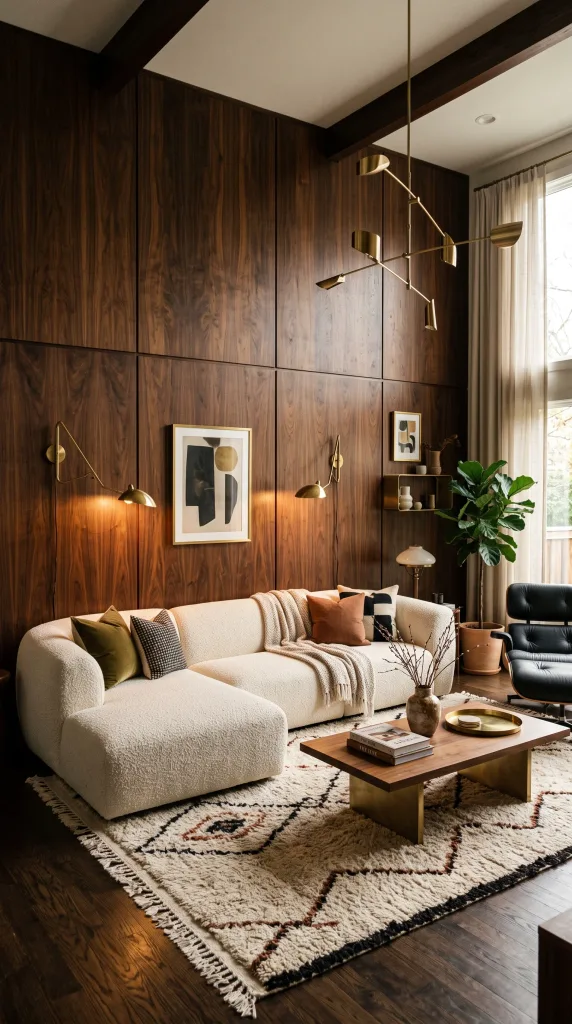
Installing floor-to-ceiling dark walnut wood paneling behind a massive cream boucle sofa instantly injects a huge amount of dramatic, mid-century modern luxury into a basic living room. The deeply rich, dark chocolate tones of the walnut provide an incredibly strong architectural anchor that heavily contrasts against the bright, nubby, sheep-like texture of the cream sofa. You must balance this incredibly heavy wooden wall by keeping the surrounding rug and window treatments as light and airy as physically possible to prevent the room from feeling like a dark cave. Using sleek, brushed brass lighting fixtures against the dark wood perfectly highlights the grain while adding a necessary metallic reflection. This pairing feels deeply historic yet surprisingly contemporary.
Pro Move: Run the walnut panels vertically to visually raise the ceiling height, making the heavy wood wall feel grand and imposing rather than oppressive.
Rustic Reclaimed Beams and Tailored Beige
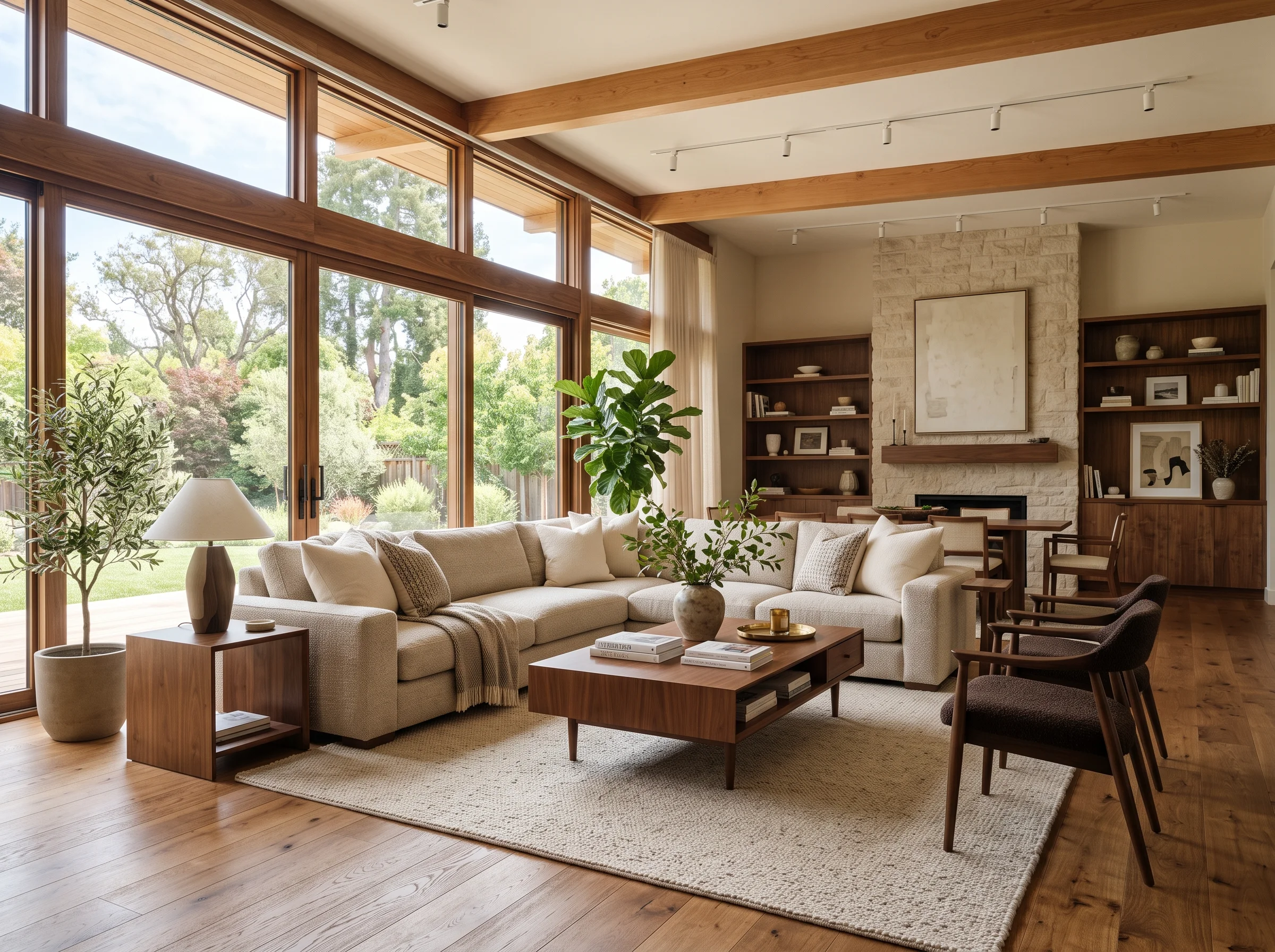
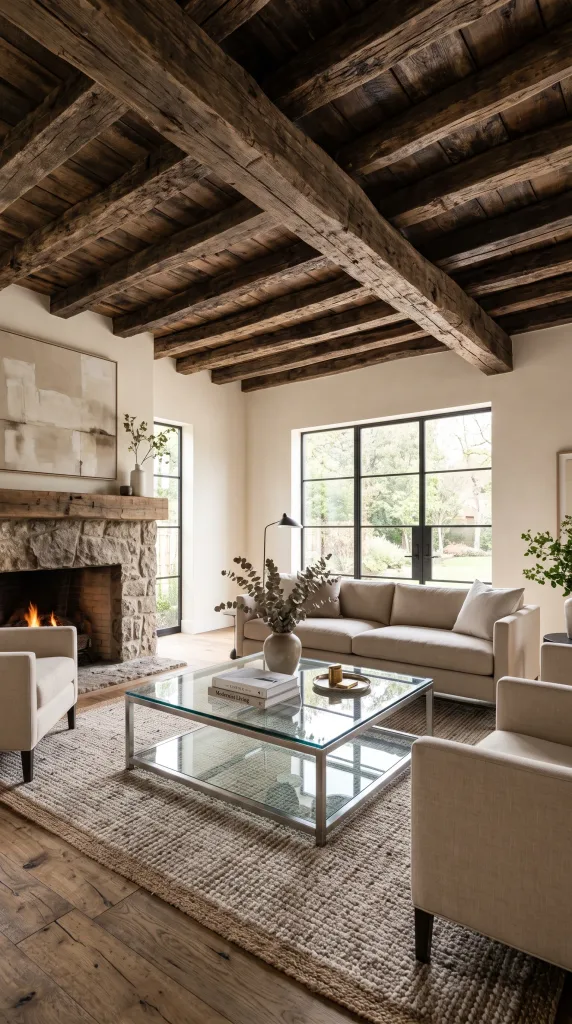
Leaving heavy, rustic reclaimed wooden ceiling beams fully exposed while grounding the room with highly tailored, crisp beige furniture creates a stunning clash of opposing design eras. The rough, splintered, and uneven texture of the historic ceiling beams provides incredible organic warmth and a sense of permanence that new construction completely lacks. You should contrast this rugged architecture by choosing a sofa with sharp, rigid, square armrests and perfectly smooth beige cotton upholstery. I always recommend placing a highly polished glass and metal coffee table in the center of the room to further emphasize the contrast between the rough wood above and the sleek modernism below. This careful balancing act prevents the room from feeling like a literal barn.
Reality Check: Authentic reclaimed wood beams actively shed dust and small splinters over time, requiring you to vacuum the beige furniture sitting directly beneath them much more frequently.
Layered Jute and Warm Teak
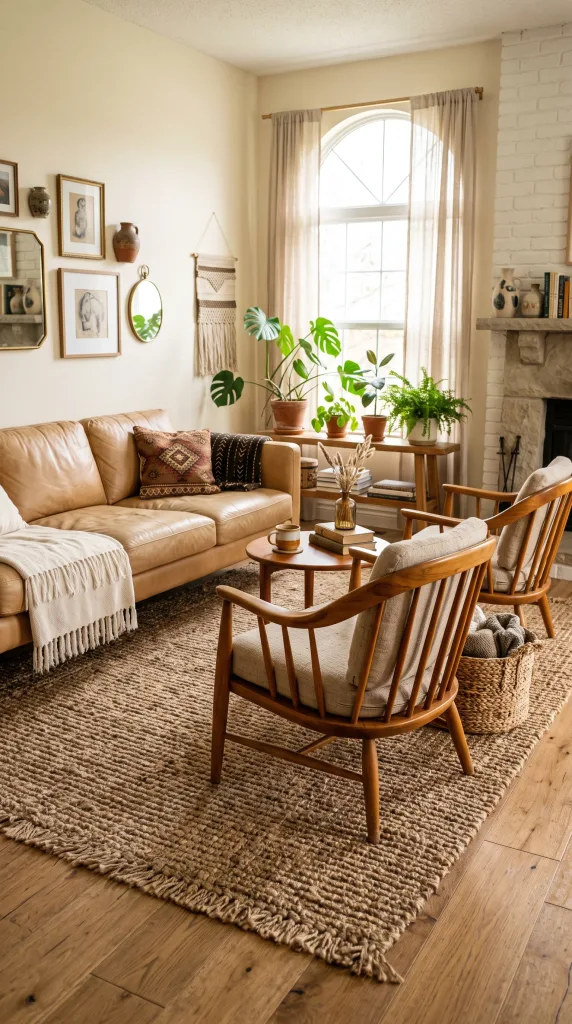
Layering a massive, highly textured natural jute rug directly underneath warm, mid-century teak wood furniture establishes a beautiful, earthy foundation that feels incredibly relaxed and grounded. The rough, organic weave of the jute rug softens the sharp, angular legs of vintage teak chairs, creating a casual, bohemian atmosphere that is perfect for a highly used family living room. You can easily pair this earthy base with a warm beige leather sofa to introduce a third, incredibly durable texture into the mix. I find this specific combination works flawlessly because the golden undertones in the teak wood naturally pull out the warm, honey-colored variations hidden within the natural jute fibers. It is a highly cohesive, incredibly durable design strategy.
Quick Tip: Buy a jute rug with a thick, chunky weave rather than a flat weave, as the heavier texture provides significantly better acoustic dampening for a loud living room.
Black Window Frames as Sharp Contrast
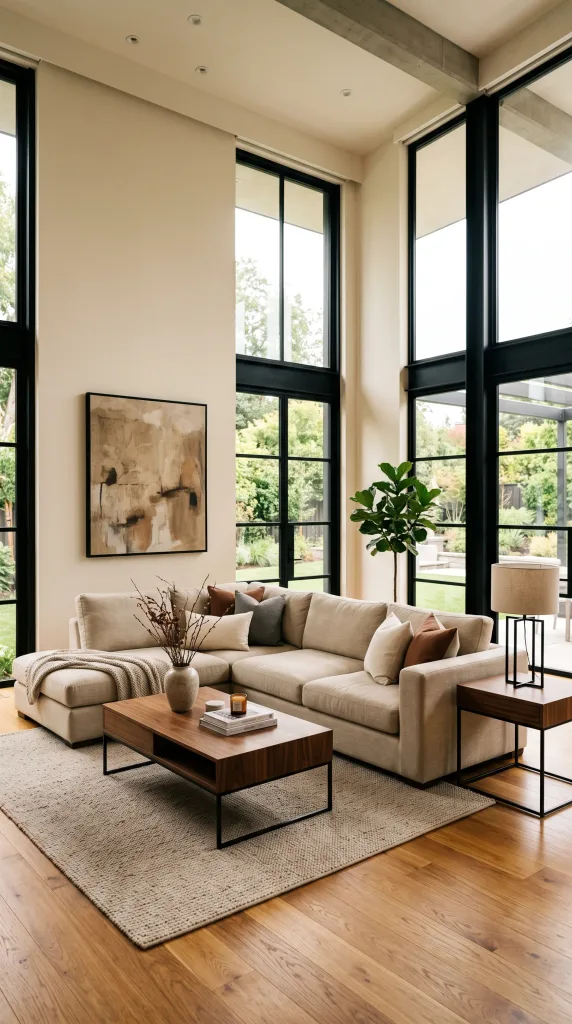
Introducing sharp, matte black painted window frames into a room filled with soft beige upholstery and warm wood tones is the ultimate way to instantly modernize the entire space. The harsh, crisp black lines act as strong architectural anchors that prevent the sea of beige and brown from looking muddy, blurry, or visually exhausting. You should carry this sharp black accent strictly through small details, such as thin black metal table legs, a black fireplace screen, or a minimalist black curtain rod, to tie the windows into the room. This highly strategic use of contrast ensures the soft, neutral fabrics feel intentional and professionally curated rather than accidental and bland. The black naturally frames the outdoor view perfectly.
Designer Advice: Never use glossy black paint for window frames; you must use a dead-flat or matte finish so the black acts as a subtle shadow rather than a shiny distraction.
The Solid Wood Stump Side Table
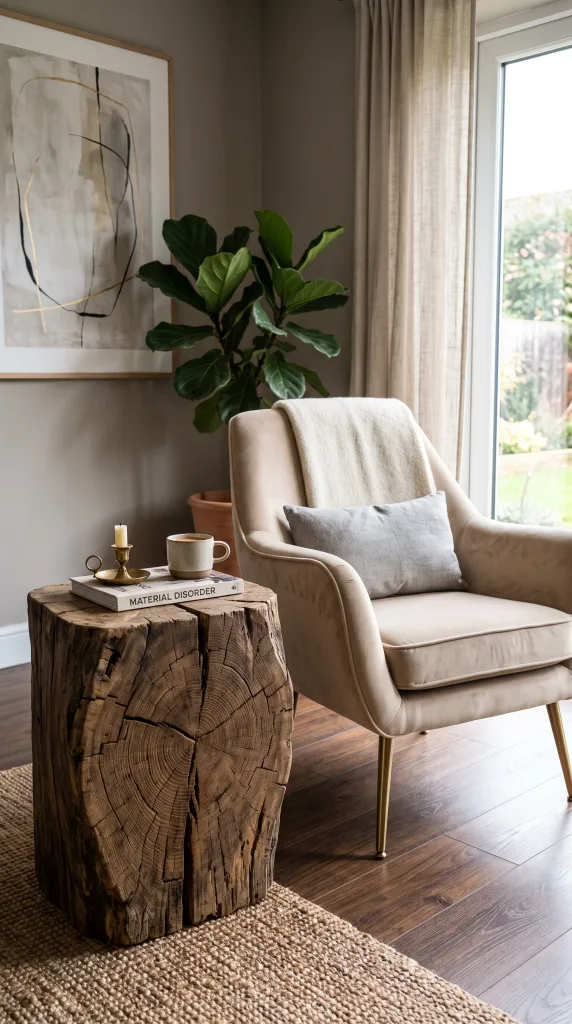
Placing a heavy, solid wood tree stump side table next to a sleek, modern beige velvet accent chair introduces a massive punch of raw, organic texture into a highly refined space. The natural cracking, the visible tree rings, and the completely uneven edges of the stump provide a fascinating sculptural element that standard manufactured furniture completely lacks. You must ensure the wood stump has been fully kiln-dried and sealed to prevent any sap or dormant insects from ruining your pristine beige rugs. I love using this approach in otherwise sterile, perfectly symmetrical rooms because it forces the eye to acknowledge the beautiful imperfection of the natural world. It is a fantastic, heavy anchor for a light, floating seating arrangement.
Heads Up: Solid wood stumps weigh an absolute ton and can easily crush delicate flooring, so you must permanently attach heavy-duty felt glides to the very bottom.
Beige Limewash Walls with Floating Oak Shelves
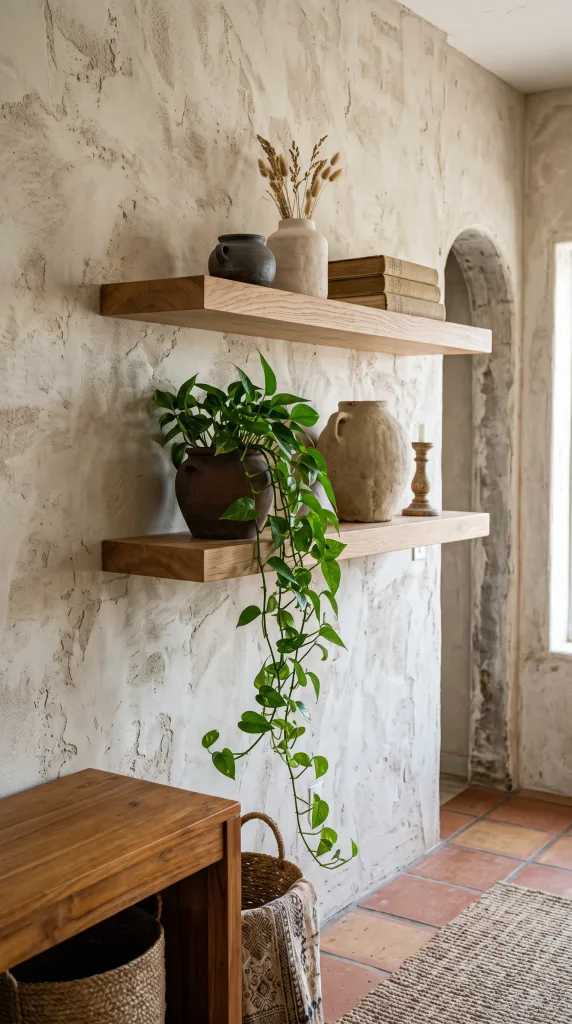
Coating your living room walls in a heavily textured beige limewash and installing thick, floating white oak shelves provides an incredible, Mediterranean-inspired sanctuary aesthetic. The cloudy, suede-like finish of the limewash creates massive depth on the flat drywall, perfectly complementing the subtle, natural grain of the light oak wood shelves. You should style the floating shelves incredibly sparsely, using only a few matte ceramic vases and perhaps a single trailing plant, to allow the beautiful plaster texture behind them to remain fully visible. This combination feels deeply historic and highly artisanal, making a standard suburban living room look like a bespoke boutique hotel. The soft beige walls bounce light around the room in a very flattering, diffused manner.
Pro Move: Apply the limewash paint using a wide block brush in a chaotic, overlapping criss-cross pattern to ensure the texture looks authentically aged and completely random.
Dark Mahogany and Pale Camel Velvet
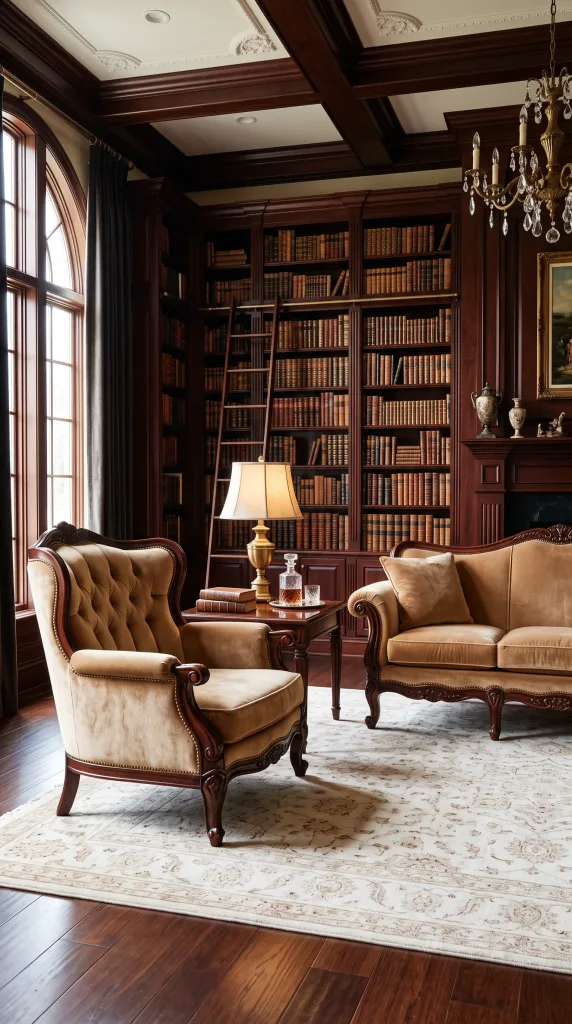
Combining incredibly dark, reddish-brown mahogany wood furniture with pale, camel-colored velvet upholstery creates a highly traditional, deeply luxurious library atmosphere that commands respect. The extreme contrast between the almost-black antique wood and the warm, golden-beige velvet highlights the silhouette of every single piece of furniture perfectly. You must balance this incredibly heavy, formal pairing by ensuring the room receives massive amounts of natural daylight, otherwise, the space will quickly feel like a dark, stuffy cigar lounge. I highly recommend using a large, light cream area rug to firmly separate the dark mahogany table legs from dark hardwood floors, providing necessary visual breathing room. This is the ultimate strategy for creating a formal, adult-only entertaining space.
Reality Check: Pale camel velvet shows water spots and spills instantly, so you must have the fabric professionally treated with a heavy-duty stain repellent before using the room.
Wood Slat Accent Walls
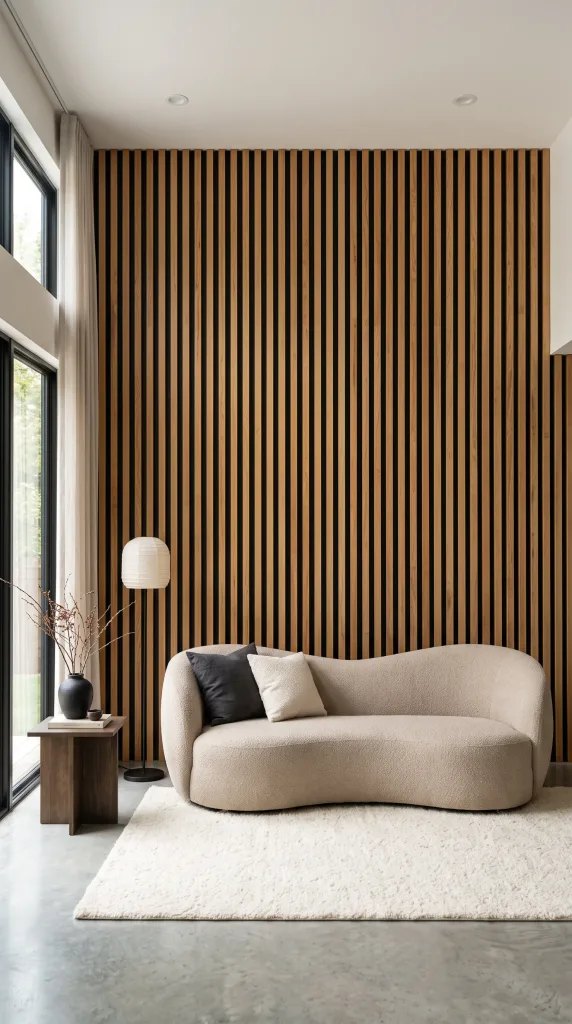
Installing a floor-to-ceiling vertical wood slat accent wall directly behind your beige sofa introduces a massive amount of modern architectural rhythm and vital acoustic dampening to the room. The repetitive vertical lines draw the eye straight up to the ceiling, making the living room feel significantly taller, while the gaps between the slats provide fascinating, deep shadows. You should choose a warm ash or pine wood tone for the slats to keep the room feeling light, airy, and heavily influenced by Japanese minimalist design. Pairing this highly structured, linear wall with a curvy, organically shaped beige sofa creates a perfectly balanced, incredibly dynamic interior design moment. The wood instantly warms up the cold, flat drywall.
Quick Tip: Paint the drywall completely black before installing the wooden slats over it; the dark background will make the wood grain pop brilliantly and enhance the shadowy depth.
Oversized Beige Sectionals on Dark Floors
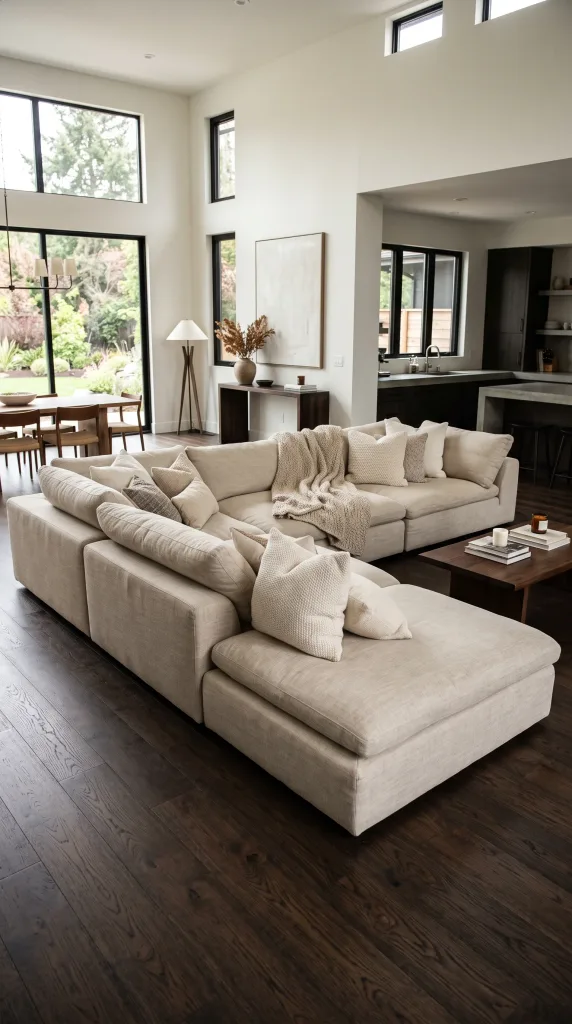
Placing a massive, extremely low-profile beige linen sectional directly on top of dark espresso hardwood floors creates a stunning, island-like oasis in the center of the living room. The stark contrast between the huge block of light beige fabric and the nearly black wood floor makes the sofa look incredibly inviting, plush, and highly intentional. You must avoid using a rug underneath the sofa in this specific scenario, allowing the sharp contrast between the light fabric and the dark wood to remain completely uninterrupted. I find this minimalist approach works perfectly in large, open-concept homes where you need the furniture itself to loudly dictate the boundaries of the living zone. It is bold, clean, and highly sophisticated.
Designer Advice: Ensure the legs of the beige sectional are completely hidden or recessed to maximize the illusion that a massive, soft cloud is floating on the dark wood.
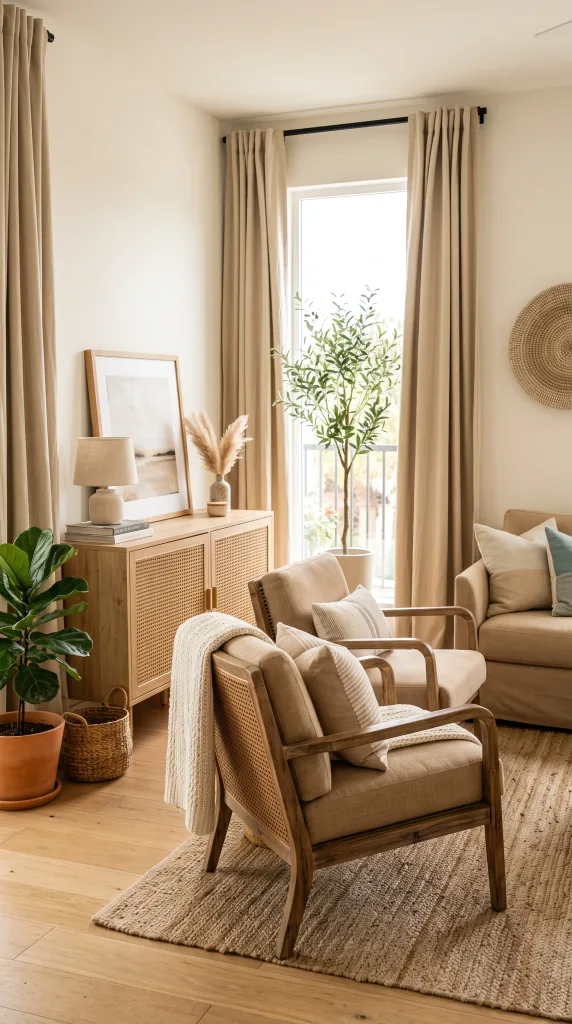
Rattan Accents and Warm Sand
Integrating woven rattan accent chairs and natural cane media consoles into a room dominated by warm, sandy beige upholstery introduces a highly relaxed, coastal energy without feeling overly tropical. The open, airy weave of the rattan wood provides massive texture while allowing natural light to pass directly through the furniture, making the cramped living room feel significantly larger and less obstructed. You should pair these lightweight wooden pieces with heavy, solid beige cotton drapes to ground the space and prevent it from looking like a fragile outdoor patio. This combination relies entirely on mixing varied organic textures rather than utilizing bold colors to create visual interest. It is perfectly suited for casual, sun-drenched apartments.
Heads Up: Authentic rattan and cane will become incredibly brittle and snap if exposed to direct, baking sunlight, so you must keep these pieces away from unshaded south-facing windows.
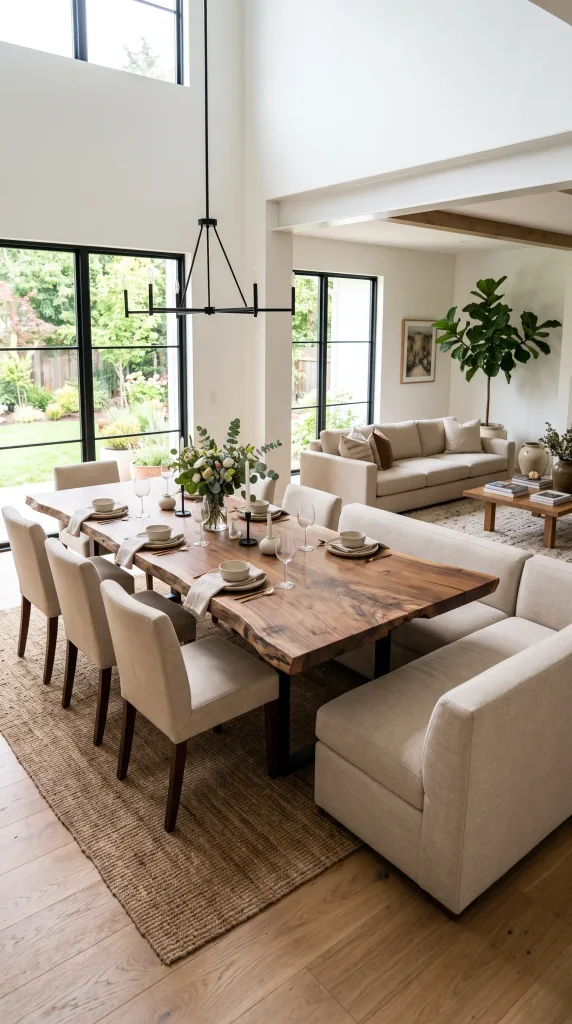
Live-Edge Dining Tables in Open Layouts
If your living room shares an open floor plan with the dining area, using a massive, live-edge wood dining table seamlessly bridges the gap between the two distinct zones. The raw, completely natural curve of the wooden table edge heavily contrasts with the sharp, manufactured lines of your beige living room sofa, creating a beautiful organic flow across the entire apartment. You must choose a wood tone for the table that perfectly matches the legs of your living room furniture to ensure the two spaces feel cohesive rather than completely disconnected. I always suggest pairing the heavy wooden table with fully upholstered beige dining chairs to mirror the soft textures found in the adjacent living area. This unifies the entire floor.
Pro Move: Apply a clear, matte polyurethane sealant to the raw bark edge of the table to prevent the natural wood from shedding messy debris onto your dining floor.
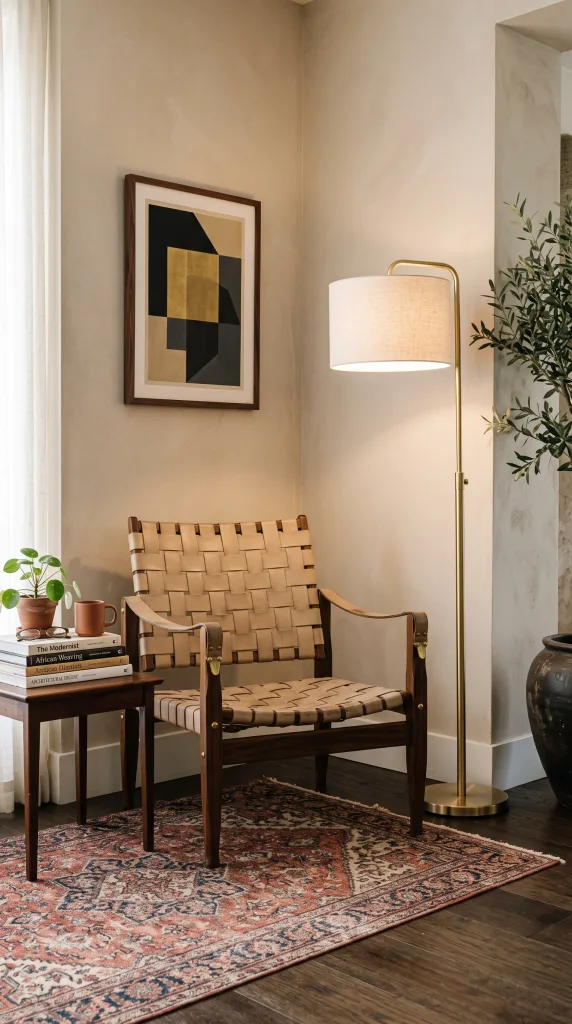
The Woven Leather Safari Chair
Introducing a mid-century modern wooden safari chair featuring woven beige leather straps is a fantastic way to combine both signature materials into a single, highly architectural accent piece. The warm wood frame provides the necessary structure, while the woven beige leather introduces a sophisticated, slightly masculine texture that ages beautifully over time. You should place this striking, low-slung chair in an empty corner paired with a tall, slender brass floor lamp to create a highly curated, stylish reading nook that does not visually block the rest of the room. This is the perfect solution for small apartments where a bulky, fully upholstered armchair would take up far too much precious floor space. The woven leather is surprisingly comfortable.
Reality Check: Woven leather straps will stretch and sag significantly over the years, requiring you to physically tighten the buckles on the back of the chair annually to maintain tension.
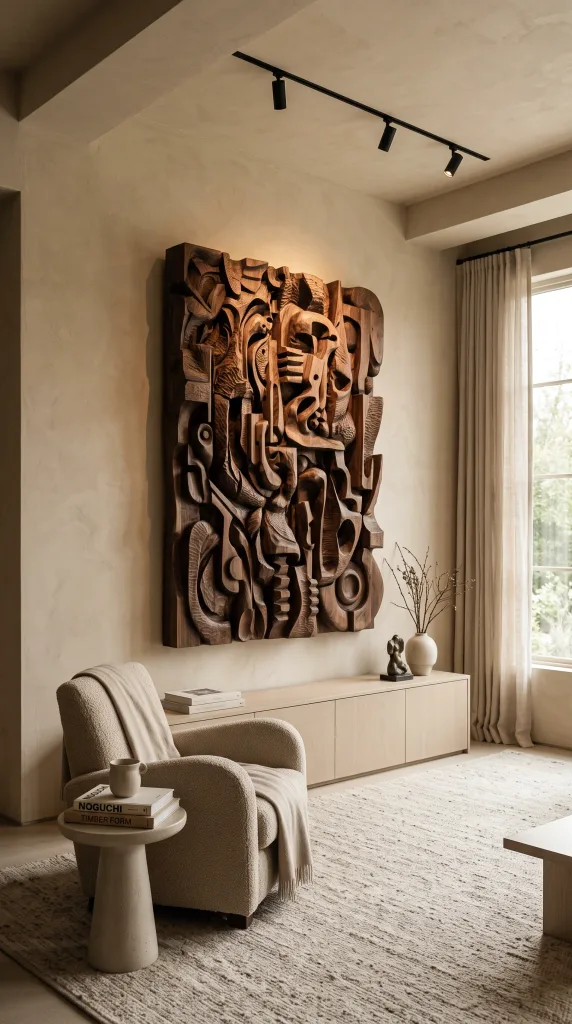
Monochromatic Beige with Sculptural Wood Art
Designing a strictly monochromatic living room utilizing only shades of cream, taupe, and beige, and then hanging a massive, highly sculptural piece of carved wood art provides an incredible focal point. By removing all other competing colors from the room, the intricate grain, the varied stain colors, and the deep carvings of the wooden art piece become the absolute star of the show. You must ensure the wooden art is exceptionally large and highly textured to carry the visual weight of the entire room on its own. I find this gallery-like approach works best when you install a dedicated, ceiling-mounted gallery spotlight aimed precisely at the center of the wooden sculpture. This creates a deeply serene, highly intellectual atmosphere.
Quick Tip: Hang the heavy wooden sculpture using a French cleat system rather than picture wire to ensure the massive weight is distributed perfectly safely across the drywall studs.
Whitewashed Wood and Cool Taupe
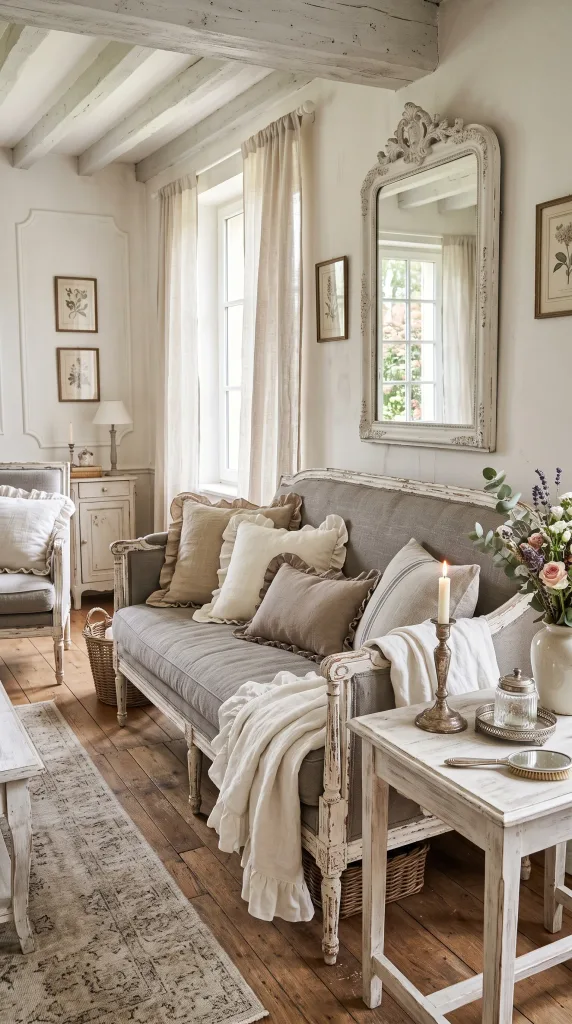
Pairing heavily whitewashed, distressed wooden furniture with cool, grey-leaning taupe upholstery creates a highly romantic, shabby-chic aesthetic that feels incredibly bright and welcoming. The white paint rubbed into the wood grain softens the heavy appearance of the timber, making massive coffee tables and media consoles look delicate and airy rather than dark and imposing. You should layer this cool-toned combination with plenty of soft, ruffled linen throw pillows and vintage silver metallic accents to complete the historic, French-country atmosphere. This is a very budget-friendly style to achieve, as you can easily whitewash cheap thrift store wooden furniture yourself over a single weekend. Keeping the rug completely solid prevents the distressed textures from looking overly busy or chaotic.
Designer Advice: Always seal your DIY whitewashed furniture with a clear, dead-flat wax rather than a glossy polyurethane to maintain the authentic, chalky, historical appearance of the finish.
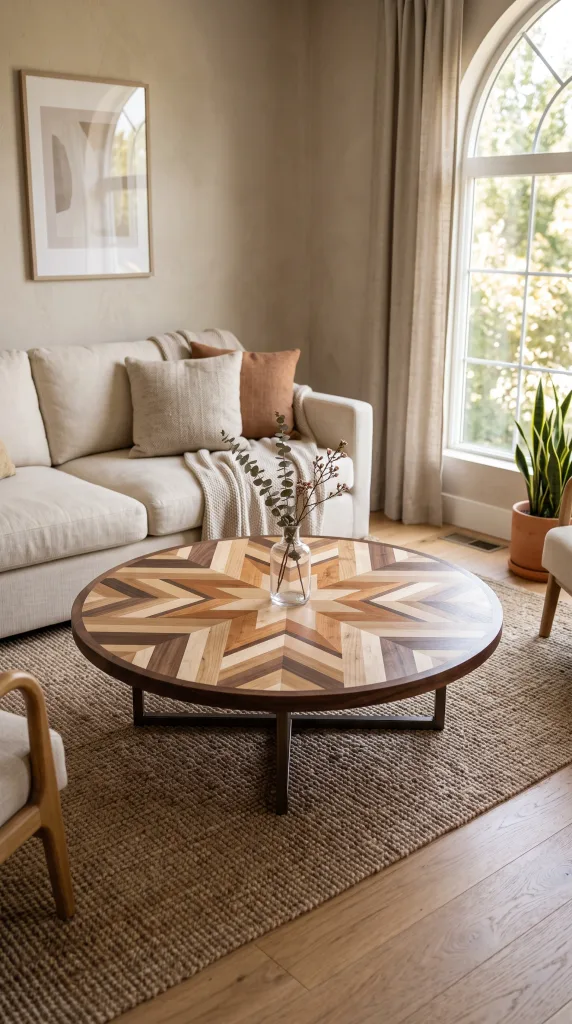
Geometric Wood Inlay Coffee Tables
Replacing a boring, solid wood coffee table with a piece featuring an intricate, multi-toned geometric wood inlay introduces massive pattern and artistic craftsmanship into a neutral beige room. The varied wood tones within the geometric pattern—ranging from light birch to dark walnut—act as a natural bridge, allowing you to easily mix different wood finishes throughout the rest of the living room without it looking accidental. You must keep the styling on top of the table incredibly minimal, perhaps just a single clear glass vase, so you do not cover up the beautiful, painstaking marquetry work. I love using this approach because the table acts like a massive piece of horizontal art right in the center of the seating area.
Heads Up: Wood inlay tables are incredibly sensitive to temperature and humidity changes, so you must strictly enforce the use of thick coasters for all hot or cold beverages.
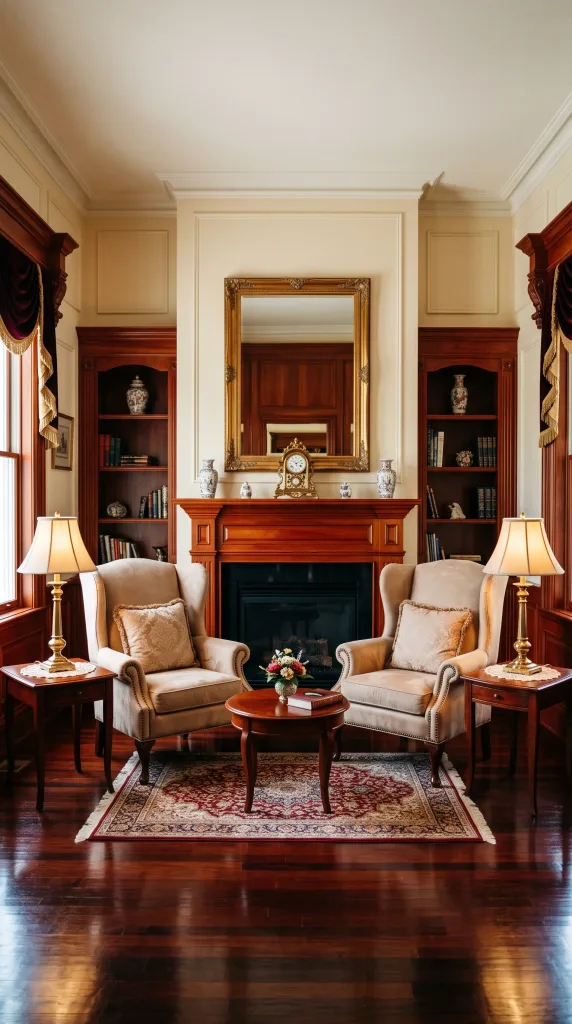
Beige Suede and Warm Cherry Wood
Combining the incredibly soft, matte texture of beige suede upholstery with the rich, reddish-warm tones of cherry wood furniture creates a highly luxurious, deeply traditional living room setting. The plush, velvety finish of the suede absorbs light, heavily contrasting with the highly polished, reflective surfaces of traditional cherry wood side tables and display cabinets. You should embrace the formal nature of this pairing by using highly structured, symmetrical furniture arrangements and flanking the sofa with matching classic brass table lamps. This specific combination is highly nostalgic and feels deeply comforting, perfect for historic homes with extensive original woodwork. Ensure you use a neutral, cool-toned rug to properly balance the intense red undertones of the cherry wood.
Pro Move: Use an overarching cool grey wall paint to actively neutralize the aggressive red tones of the cherry wood, preventing the room from looking like an outdated 1990s dining room.
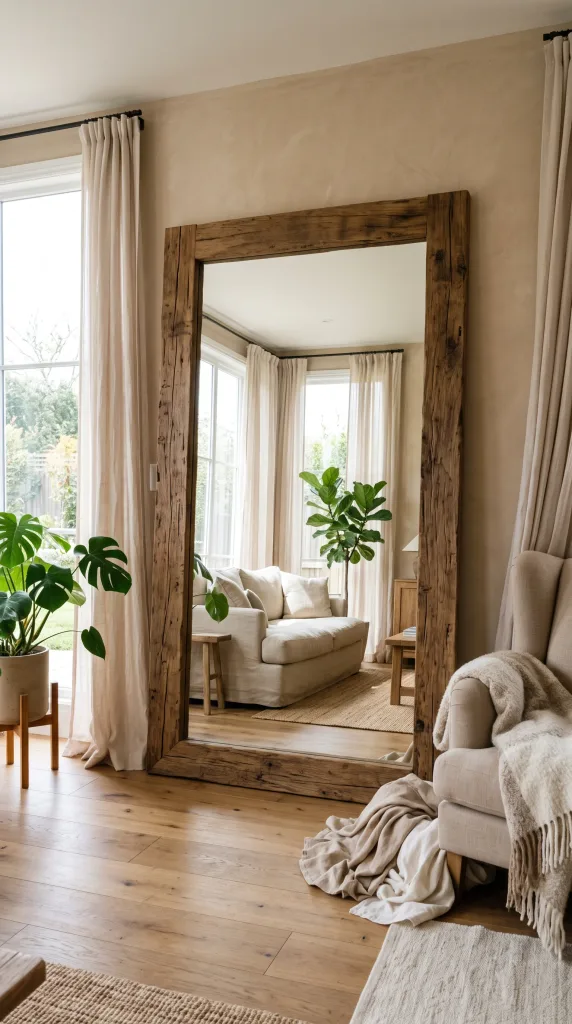
The Oversized Wooden Mirror Anchor
Leaning a massive, floor-to-ceiling mirror with a thick, reclaimed wood frame against the wall in a beige living room instantly doubles the natural light while adding crucial architectural weight. The heavy, highly textured wooden frame acts as a strong visual anchor that grounds the floaty, soft beige fabrics used on your sofa and window treatments. You must position the mirror directly opposite a window to maximize the optical illusion that the room is twice as large and significantly brighter than reality. I find this approach works beautifully in cramped apartments where you cannot permanently install any wall treatments but desperately need to introduce a large, natural wood element. The huge reflective surface completely transforms the cramped geometry of the room.
Reality Check: If your oversized wooden mirror reflects a messy, cluttered kitchen counter or an ugly hallway, it will literally double the visual chaos in your pristine living room.
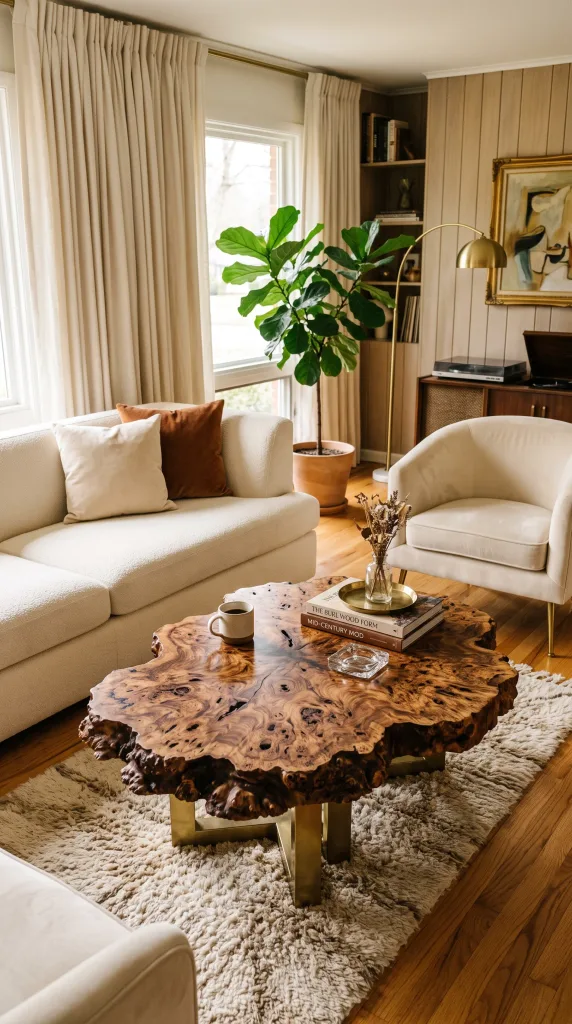
Burl Wood Accents and Smooth Cream
Introducing a coffee table or a media console made entirely of highly figured, chaotic burl wood into a room filled with perfectly smooth cream fabrics creates a stunning, high-end focal point. The wild, swirling, eye-like grain patterns of the burl wood provide an incredible amount of organic, natural movement that completely breaks up the rigid, boring lines of standard manufactured furniture. You should keep the surrounding cream upholstery incredibly sleek and completely devoid of any tufting or heavy patterns, allowing the wild wood grain to act as the sole piece of art in the center of the room. Burl wood is a massive investment piece, but its luxurious, 1970s-inspired glamour elevates the entire apartment instantly. It screams quiet luxury.
Quick Tip: Burl wood veneers are notoriously thin and fragile; you must never use harsh chemical cleaners on them, strictly opting for a damp microfiber cloth to remove dust.
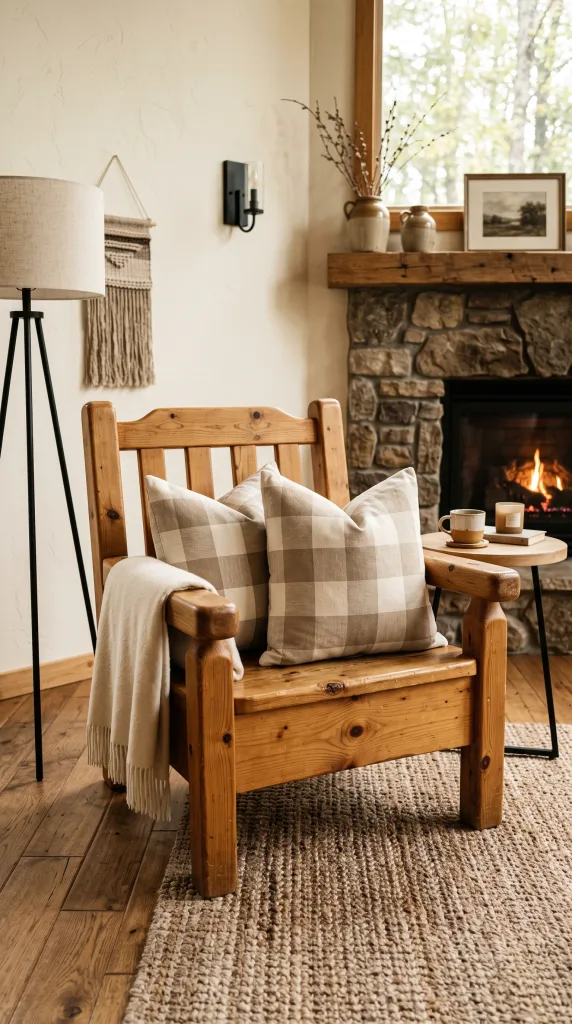
Beige Plaid and Rustic Pine
Pairing beige and cream plaid throw pillows with chunky, knotty pine wood furniture establishes a highly inviting, rustic cabin aesthetic that feels incredibly cozy and relaxed. The structured, linear pattern of the plaid fabric provides necessary graphic interest that cuts through the massive, heavy blocks of rustic wood, ensuring the room does not feel entirely blurry or undefined. You can elevate this casual, woodsy vibe by incorporating a few sleek, modern black metal accents, such as a thin floor lamp or modern cabinet pulls, to keep the space from looking too much like a themed hunting lodge. This is an incredibly durable, family-friendly styling approach that easily hides daily wear and tear. The knotty pine introduces beautiful, imperfect texture.
Designer Advice: Scale is critical when mixing plaid with heavy wood; choose a large-scale, oversized plaid pattern so the fabric does not look busy or distractingly chaotic.
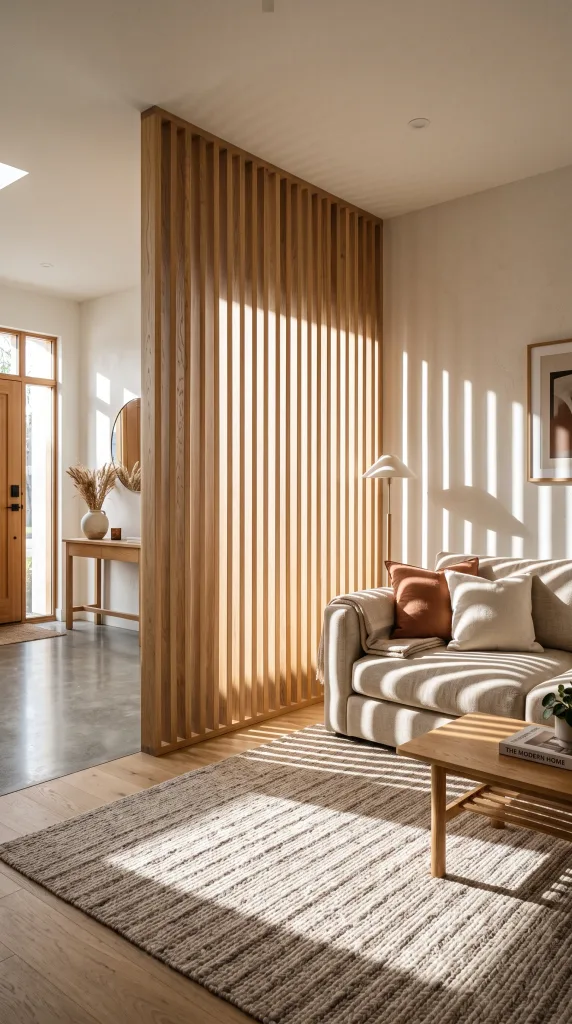
Slatted Wood Room Dividers
Using a freestanding, slatted wooden room divider to separate an open-concept beige living room from the home entryway provides vital architectural structure without blocking any natural sunlight. The gaps between the wooden slats allow the light to filter beautifully through the room, casting incredibly dramatic, striped shadows across your beige rugs and upholstery during the afternoon. You must match the wood stain of the divider perfectly to your coffee table or flooring to ensure it looks like a deliberate, custom architectural feature rather than a cheap, temporary folding screen. I love this highly functional approach because it defines the living zone tightly, making the seating area feel much more intimate and protected from the front door. It is highly modern.
Heads Up: Freestanding slatted dividers are incredibly top-heavy; you must permanently secure the base directly into the floor joists to prevent it from crashing down if bumped.
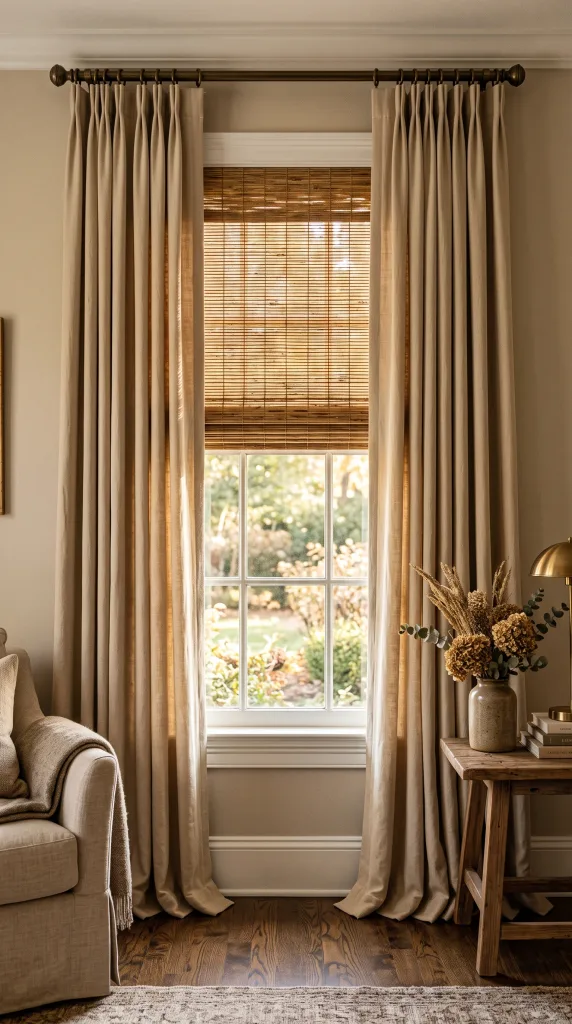
Woven Wood Shades and Beige Drapes
Layering natural, woven wood roman shades directly underneath heavy, solid beige cotton drapes provides the ultimate highly textured, custom window treatment for any living room. The woven bamboo or grass shades introduce a vital, earthy wood tone right at eye level, acting as a piece of organic art that filters harsh sunlight into a warm, flattering glow. You should hang the beige drapes as high as possible and let them flank the woven shades, perfectly framing the window and adding necessary softness to the hard wooden edges. This specific combination provides ultimate flexibility for privacy and light control while making standard apartment windows look incredibly expensive and professionally styled. It is a foolproof layering technique for neutral rooms.
Pro Move: Order your woven wood shades with a built-in privacy liner on the back, otherwise, people outside will be able to see straight through the gaps at night.
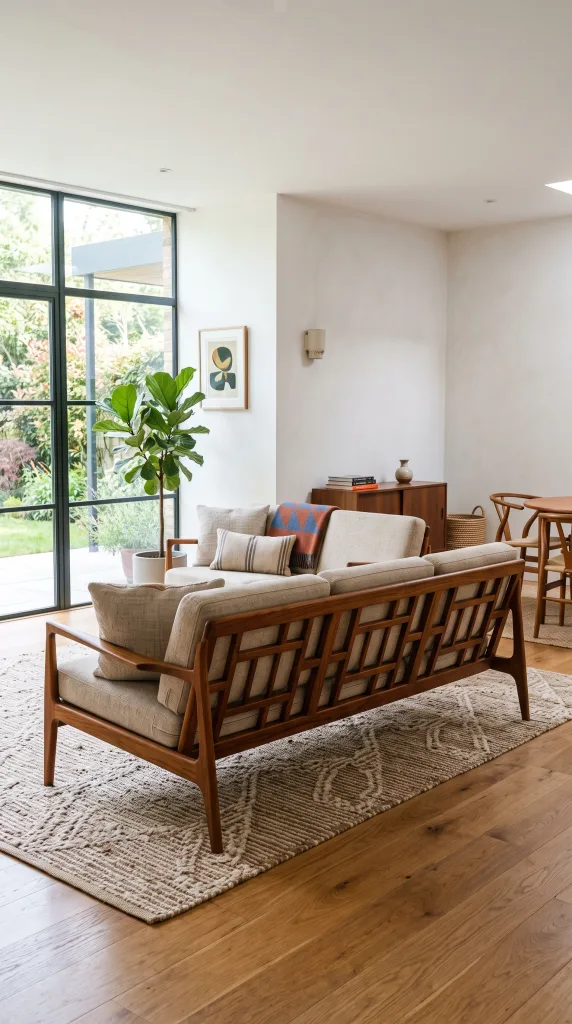
The Solid Teak Wood Sofa Frame
Opting for a mid-century modern sofa featuring a completely exposed, solid teak wood frame wrapped around plush beige cushions introduces the wood element directly into the seating itself. Unlike standard sofas hidden entirely by fabric, the exposed wooden arms and backrest provide stunning architectural lines that look incredible from every single angle in the room. You must float this specific type of sofa in the absolute center of the living room, ensuring the beautiful wooden backrest is fully visible rather than hiding it against a blank drywall. I find this approach completely eliminates the need for bulky side tables, as the wide wooden armrests often double as the perfect surface for resting a coffee cup. It is highly structural and sleek.
Reality Check: Exposed wood frame sofas are notoriously rigid and firm; if you prioritize sinking into a massive, plush cloud for movie nights, this architectural style is absolutely not for you.
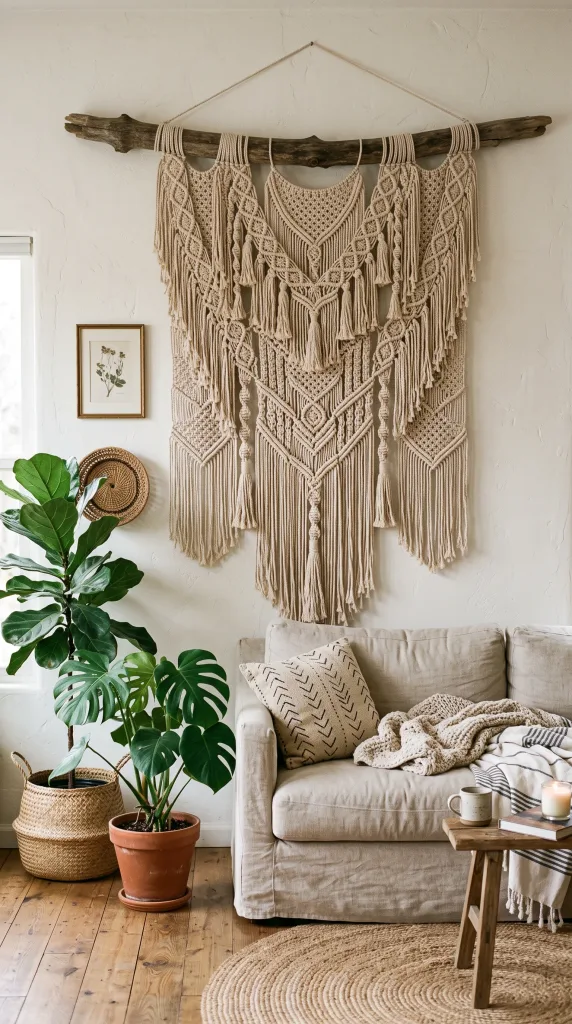
Beige Macrame on Driftwood
Hanging a massive, highly intricate beige macrame wall hanging suspended from a thick, found piece of raw driftwood brings an incredible, bohemian beach aesthetic to a boring living room. The thick, knotted beige yarn absorbs sound brilliantly, while the raw, completely untreated driftwood branch adds a striking, asymmetric organic line to the wall. You should pair this highly tactile, handmade art piece with a casual linen sofa and plenty of lush, green floor plants to fully embrace the relaxed, earthy, California-cool atmosphere. This is a highly affordable, renter-friendly way to cover a massive blank wall without resorting to generic, mass-produced canvas prints. The heavy texture of the yarn aggressively warms up cold, flat drywall instantly.
Quick Tip: If you forage the driftwood yourself from a local beach, you must soak it in a diluted bleach solution for 24 hours to kill any hidden ocean bacteria or pests.
Conclusion
Mastering the beige and wood living room aesthetic is an exercise in restraint, balance, and an intense focus on organic textures. As these twenty-four ideas demonstrate, a successful neutral room requires massive contrast to prevent the space from feeling flat, boring, or sterile. By intentionally mixing sharp black accents, varied wood stains, and heavily textured fabrics like boucle, velvet, and linen, you create a dynamic, highly sophisticated environment that feels incredibly intentional. Whether you are anchoring the room with a massive live-edge dining table or keeping it subtle with woven wood window shades, every single wooden element must serve as a deliberate architectural feature. By applying these practical styling hooks and focusing heavily on the physical weight of your materials, you can effortlessly build a grounded, timeless sanctuary.
Frequently Asked Questions
How do you keep a beige living room from looking boring?
The only way to prevent beige from looking boring is to heavily layer drastically different textures. You must mix rough elements like a chunky jute rug or a raw wood stump with incredibly smooth surfaces like a glass table or soft velvet pillows. Contrast in texture replaces the need for contrast in color.
Should all the wood tones in a living room match perfectly?
No, matching all your wood tones perfectly will make the room look like you bought everything from a cheap, generic furniture catalog. You should intentionally mix two or three different wood finishes, making sure they all share a similar underlying warmth or coolness to keep the room feeling collected and curated.
What accent colors work best with a beige and wood palette?
To maintain a highly sophisticated, grounded look, stick to earthy, natural accent colors. Deep forest green, moody navy blue, muted terracotta, and sharp matte black are the best choices. They provide necessary visual breaks without ruining the calm, neutral atmosphere.
Does light wood or dark wood look better with beige?
It depends entirely on the aesthetic you want. Light woods like ash and bleached oak paired with beige create a bright, airy, Scandinavian or coastal vibe. Dark woods like walnut and mahogany paired with beige create a moody, highly traditional, and dramatic luxury library feel.
What is the best lighting for a neutral living room?
Neutral rooms require incredibly warm lighting to prevent the beige fabrics from looking muddy or grey. You must strictly use warm-toned LED bulbs (2700K or lower) and rely heavily on table lamps, floor lamps, and wall sconces to create a cozy, layered glow rather than using harsh overhead ceiling lights.
How do you modernize a traditional wood-heavy living room?
To modernize a room filled with heavy, traditional wood, you must introduce sharp, sleek, contrasting lines. Adding a matte black metal coffee table, floating the sofa away from the walls, or hanging a massive piece of abstract contemporary art will instantly make the historic wood feel fresh and relevant.